Australia’s Must-See Travel Destinations and Tips
Australia Bucket List Travel Destinations Guide
Discover Australia’s Ultimate Bucket List Destinations
Embark on a journey to one of the world’s most captivating and diverse landscapes—Australia. Known for its stunning natural beauty, vibrant cities, and unique wildlife, this vast continent offers an array of unforgettable experiences that make it a top destination for travelers seeking adventure, culture, and awe-inspiring sights. From the iconic beaches and rugged Outback to lush rainforests and cosmopolitan hubs, Australia’s appeal lies in its ability to surprise and delight at every turn. Whether you’re an adrenaline junkie, nature lover, or cultural explorer, this destination promises moments that will stay with you forever. Its blend of modern sophistication and untouched wilderness creates a perfect backdrop for your ultimate travel bucket list. With so much to see and do, Australia truly stands out as a must-visit destination for those seeking once-in-a-lifetime experiences.

In this comprehensive guide, you can expect to discover the most must-see destinations across Australia, learn tips for planning your trip, and explore hidden gems that often go unnoticed. Whether you aim to marvel at natural wonders, immerse yourself in vibrant city life, or indulge in unique cultural experiences, this guide will help you craft an unforgettable Australian adventure. Get ready to unlock the secrets of this extraordinary continent and turn your travel dreams into reality.
Explore new cultures on-screen – try Prime Video for free!
Sydney Opera House
The Sydney Opera House stands as an iconic symbol of Australia’s vibrant arts scene and architectural innovation. Situated on Bennelong Point in Sydney Harbour, it offers visitors a unique blend of cultural experiences and breathtaking views. Designed by Danish architect Jørn Utzon, the Opera House was officially opened in 1973 and has since become one of the most recognizable landmarks in the world.
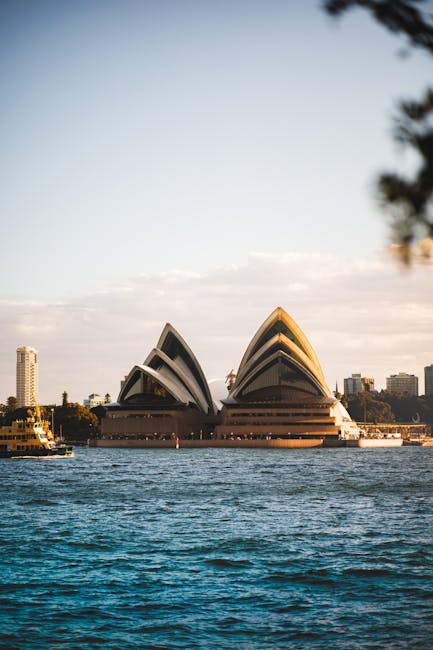
The building’s distinctive sail-like roof shells are an engineering marvel, constructed from a series of precast concrete panels covered with white tiles. Inside, the Opera House hosts over 1,500 performances annually, including opera, ballet, theater, music concerts, and more. Its multiple venues, such as the Concert Hall and Joan Sutherland Theatre, provide world-class acoustics and intimate settings for a variety of performances.
Aside from its cultural offerings, the Sydney Opera House is a must-visit for its stunning location. The panoramic views of Sydney Harbour, the Sydney Harbour Bridge, and the city skyline make it an ideal spot for photos and leisurely walks. Visitors can explore guided tours that reveal the building’s architectural ingenuity, backstage secrets, and history. For those interested in dining, several restaurants and cafes within the complex serve delicious meals with spectacular views.
Practical information includes purchasing tickets for guided tours or performances in advance, especially during peak seasons. The Opera House is accessible via public transport, with Circular Quay station just a short walk away. It is open daily, with opening hours varying depending on scheduled performances. Whether you are an arts enthusiast or simply seeking a memorable Sydney experience, the Opera House promises an inspiring visit that combines art, architecture, and scenic beauty in one extraordinary location.
Great Barrier Reef
The Great Barrier Reef, located off the northeastern coast of Queensland, Australia, is the world’s largest coral reef system, stretching over 2,300 kilometers and comprising more than 2,900 individual reefs and 900 islands. Recognized as a UNESCO World Heritage Site, it is a natural wonder that attracts millions of visitors each year who come to witness its vibrant marine life and stunning underwater landscapes.
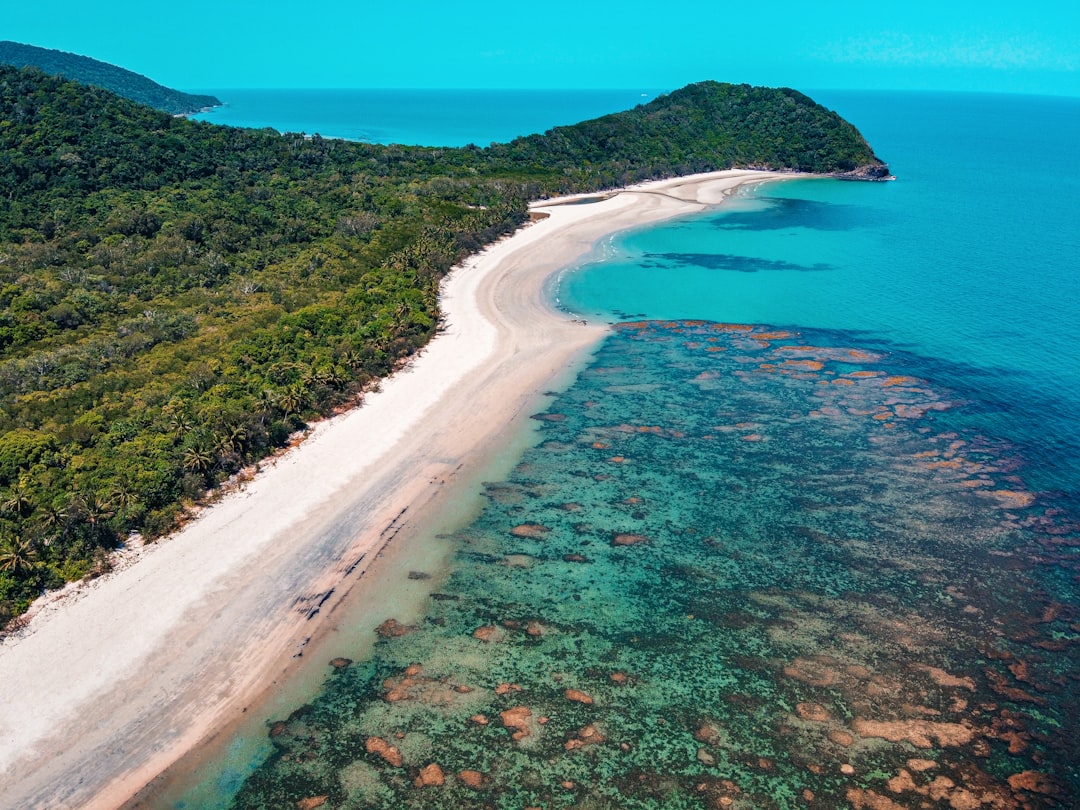
The reef is renowned for its kaleidoscope of colors, teeming with diverse marine species such as tropical fish, sea turtles, sharks, manta rays, and coral formations that are among the most vibrant in the world. Snorkeling and scuba diving are popular activities, offering an up-close encounter with this underwater paradise. Many tour operators provide day trips, overnight liveaboards, and helicopter flights, enabling visitors to explore different sections of the reef from various perspectives.
Beyond the underwater scenery, the Great Barrier Reef offers opportunities for educational experiences and eco-tours that highlight conservation efforts. Visitors can learn about the complex ecosystems and the importance of protecting this fragile environment. Some islands, like Hamilton Island and Whitsunday Islands, serve as bases for exploring the reef, with amenities ranging from luxury resorts to eco-friendly accommodations.
Practical tips for visitors include booking tours well in advance, especially during peak seasons from June to November. It is advisable to bring waterproof gear, sun protection, and reef-safe sunscreen to minimize environmental impact. The reef can be accessed from several coastal towns, including Cairns, Port Douglas, and Airlie Beach. Whether you seek adventure, relaxation, or education, the Great Barrier Reef offers an unforgettable experience immersed in nature’s most spectacular marine spectacle.
Uluru (Ayers Rock)
Uluru, also known as Ayers Rock, is a colossal sandstone monolith located in the heart of Australia’s Red Centre, within Uluru-Kata Tjuta National Park in the Northern Territory. Rising approximately 348 meters above the surrounding plain, it is one of the most significant cultural landmarks for the Anangu people, the traditional custodians of the land. Recognized as a UNESCO World Heritage Site, Uluru’s majestic presence draws travelers from around the globe seeking both natural beauty and spiritual insight.
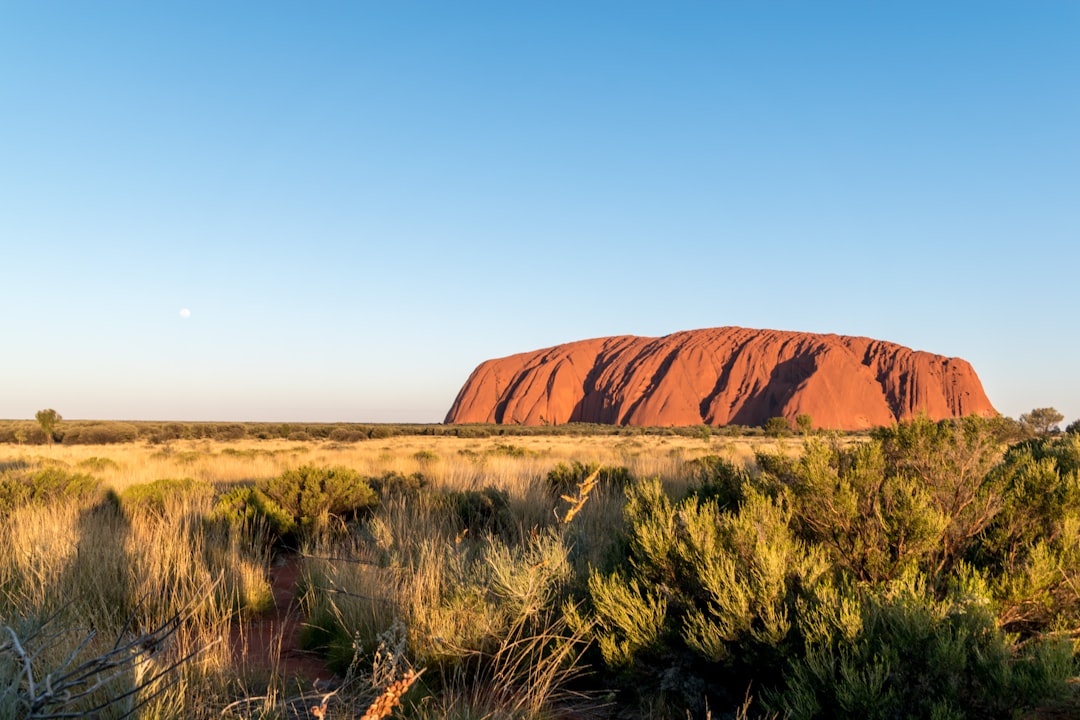
The rock’s surface exhibits a stunning array of colors, shifting from deep reds to vibrant oranges and purples, especially at sunrise and sunset. Visitors can explore Uluru through guided walks led by Indigenous guides, which offer profound insights into its cultural significance and stories that have been passed down through generations. Climbing Uluru is discouraged out of respect for the Anangu, who consider the site sacred; instead, many choose to walk around its base, experiencing its grandeur and spiritual energy firsthand.
The surrounding park features other remarkable formations, such as the Kata Tjuta (The Olgas), which are equally worth exploring. Facilities include designated viewing areas, cultural centers, and picnic spots, all designed to enhance visitors’ understanding and appreciation of this sacred site. It is advisable to visit during cooler months from April to September and to carry plenty of water, sun protection, and appropriate footwear for walking.
Access to Uluru is straightforward, with the nearest airport in Alice Springs and accommodations ranging from campgrounds to luxury resorts. Visitors should respect local customs and guidelines, ensuring their experience honors the cultural significance of this extraordinary natural monument. Uluru offers a rare opportunity to connect with Australia’s ancient landscape and its rich indigenous heritage, making it a truly unforgettable must-see destination.
Sydney Harbour Bridge
The Sydney Harbour Bridge is one of Australia’s most iconic landmarks, symbolizing the city’s impressive engineering achievements and vibrant culture. Spanning Sydney Harbour, this steel arch bridge connects the central business district with the North Shore, offering breathtaking views and a unique experience for visitors. Completed in 1932, the bridge is often referred to as the “Coathanger” due to its distinctive arch shape, making it instantly recognizable worldwide.
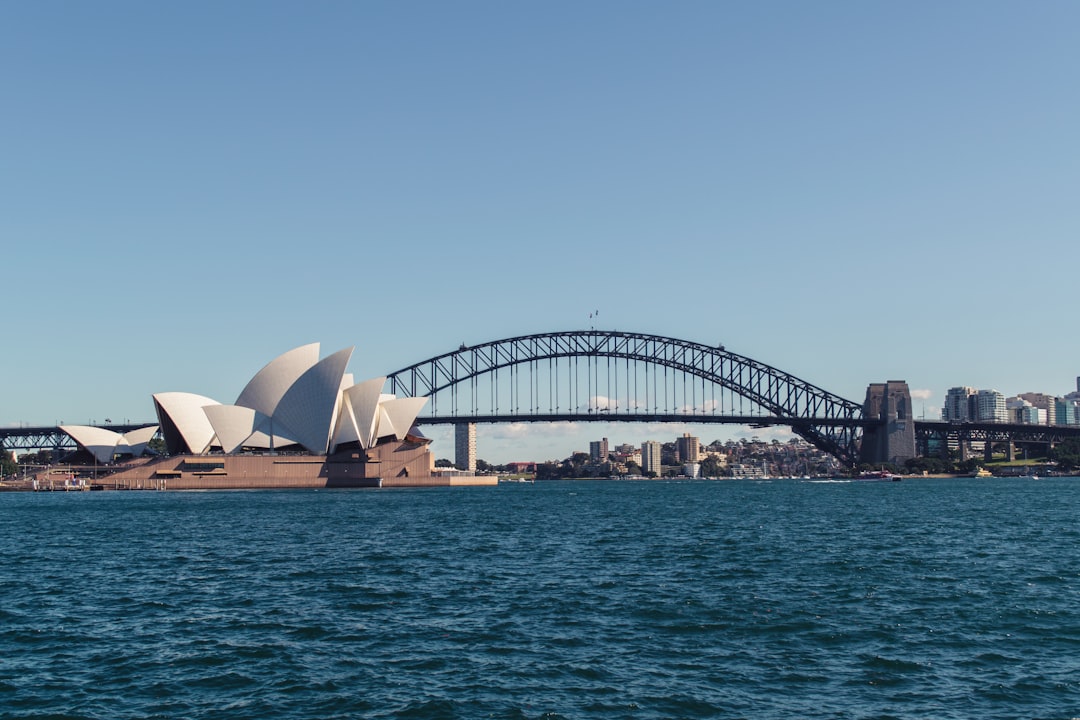
Located in the heart of Sydney, the bridge stretches approximately 1,650 feet (503 meters) across the harbor, with a height of 1,650 feet (134 meters) at the top of the arch. Visitors can enjoy a variety of activities, from walking and cycling along the pedestrian pathways to experiencing the thrill of a BridgeClimb, which takes you to the summit of the arch for panoramic views of the city skyline, Opera House, and beyond. The BridgeClimb is a must-do for adventure seekers and offers a once-in-a-lifetime perspective of Sydney’s stunning waterfront.
Practical information includes booking in advance for the BridgeClimb, which is suitable for most ages and fitness levels, and typically lasts around 3.5 hours. For those who prefer a more relaxed visit, viewing platforms on the southern and northern sides provide excellent vantage points for photos and sightseeing. The bridge is illuminated at night, creating a spectacular backdrop for evening strolls or boat cruises in the harbor.
Whether you’re an architecture enthusiast, an adventure lover, or simply seeking unforgettable views, the Sydney Harbour Bridge stands as a must-see destination that embodies the spirit of Sydney. Its historical significance, engineering marvel, and scenic surroundings make it a highlight of any visit to Australia’s largest city.
Daintree Rainforest
The Daintree Rainforest is a mesmerizing natural wonder located in Far North Queensland, forming part of the larger Wet Tropics of Queensland UNESCO World Heritage Site. As one of the oldest rainforests on Earth, estimated to be over 135 million years old, it offers a glimpse into ancient ecosystems that have remained relatively unchanged over millions of years. This lush, vibrant environment is teeming with unique flora and fauna, making it an essential destination for nature lovers and eco-tourists alike.
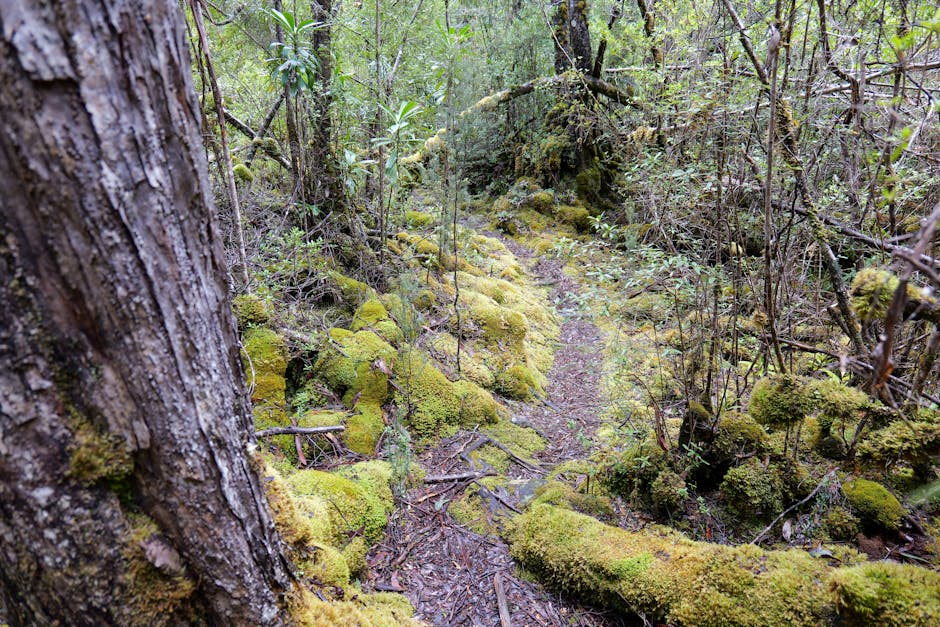
The Daintree covers approximately 1,200 square kilometers, stretching from the Coral Sea to the Atherton Tablelands. Visitors can explore dense canopies via guided walks, river cruises, or even canopy zip-line tours, which allow you to experience the rainforest from a bird’s-eye view. The region is home to an astonishing diversity of wildlife, including rare species such as the cassowary, tree kangaroo, and Boyd’s forest dragon. Birdwatchers, in particular, will find the area a paradise, with hundreds of bird species inhabiting the lush environment.
Practical tips for visitors include starting with guided tours that provide insight into the rainforest’s ecology and indigenous significance. Many tours include visits to the Daintree Discovery Centre, where you can learn about the ecosystem and the importance of conservation efforts. For those interested in indigenous culture, the rainforest is also a site of cultural significance for the Kuku Yalanji people, with opportunities to learn about traditional practices and stories.
Accessibility varies across different areas, so it’s advisable to wear comfortable walking shoes, bring insect repellent, and prepare for tropical weather. Visiting the Daintree Rainforest offers an immersive experience into one of Earth’s most ancient and vital ecosystems, making it a must-see destination for eco-conscious travelers and adventure seekers alike.
Bondi Beach
Bondi Beach is Australia’s most famous seaside destination, renowned for its golden sands, vibrant surf culture, and stunning coastal scenery. Located just 7 kilometers east of Sydney’s city center, Bondi is easily accessible and attracts both locals and tourists eager to enjoy its lively atmosphere and natural beauty. The beach stretches over a kilometer, offering ample space for sunbathers, swimmers, and surfers to indulge in their favorite activities.
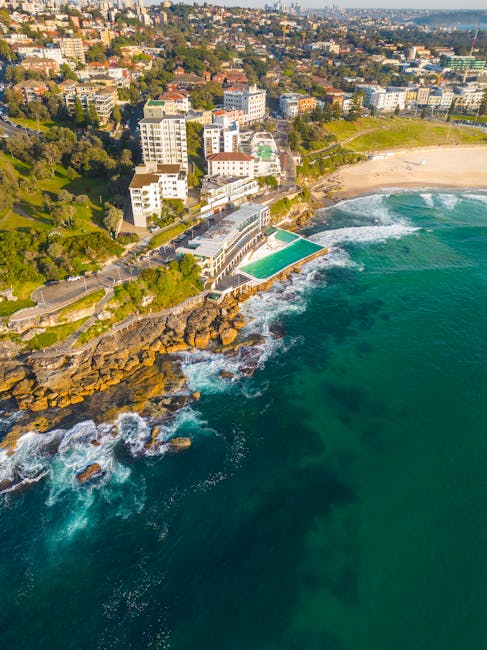
Bondi Beach’s main attraction is its world-class surf break, which draws surfers of all skill levels. Surf schools and rental shops line the beachfront, making it easy for beginners to learn or for seasoned surfers to catch their next wave. The promenade that runs along the beach is lined with cafes, restaurants, and shops, creating a lively social scene where visitors can enjoy fresh seafood, ice-cold drinks, or simply people-watch. The Bondi to Coogee coastal walk is another highlight, offering stunning cliffside views, secluded coves, and picturesque beaches along the way.
For families and those seeking relaxation, the beach provides plenty of shaded areas and swimming zones monitored by lifeguards. Events and festivals often take place here, especially during summer months, adding to the vibrant atmosphere. Practical advice for visitors includes arriving early to secure a good spot, staying hydrated, and respecting local safety guidelines, especially when swimming or surfing.
Bondi Beach is more than just a beautiful stretch of sand; it’s a cultural icon that embodies the Australian beach lifestyle. Whether you’re catching waves, enjoying a sunset walk, or savoring local cuisine, Bondi offers a quintessential Sydney experience that captures the spirit of outdoor leisure and community. It remains a must-see destination for anyone exploring Australia’s dynamic coastal scene.
Blue Mountains
The Blue Mountains, located just a two-hour drive west of Sydney, are one of Australia’s most iconic natural wonders. This UNESCO World Heritage-listed region is renowned for its dramatic sandstone cliffs, lush rainforests, waterfalls, and sweeping vistas that stretch as far as the eye can see. The area offers a perfect blend of outdoor adventure, indigenous heritage, and stunning scenery, making it a must-see destination for travelers seeking both relaxation and excitement.
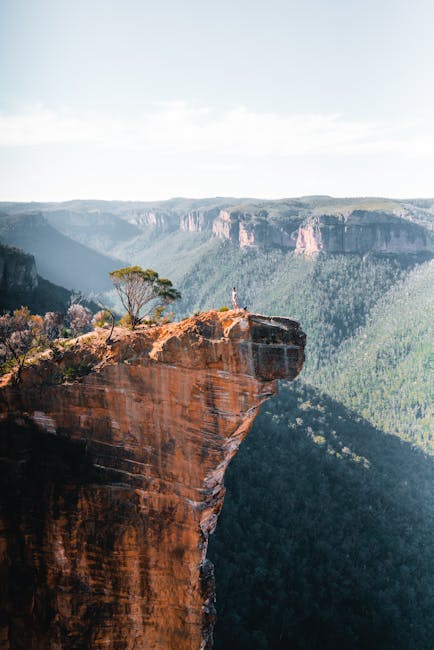
The Blue Mountains are characterized by their distinctive blue haze, which results from the vast eucalyptus forests releasing oils into the atmosphere. The region covers approximately 11,400 square kilometers, encompassing rugged mountain ranges, deep valleys, and expansive national parks. Visitors are drawn to its famous landmarks such as the Three Sisters rock formation, Echo Point, and the Giant Stairway, which provides an exhilarating descent down the cliffs with breathtaking views.
Main Features and Attractions
- The Three Sisters: An iconic rock formation steeped in Aboriginal legend, offering panoramic views and excellent photo opportunities.
- Scenic World: A hub for adventure, featuring the Scenic Railway, Skyway, and Cableway, all providing unique perspectives of the lush landscape.
- Wentworth Falls: A spectacular waterfall cascading over sandstone cliffs, accessible via well-maintained walking trails suitable for all fitness levels.
- Jenolan Caves: One of the world’s oldest cave systems, offering guided tours through stunning limestone formations and underground chambers.
- Walking Trails: Over 140 kilometers of trails, including the popular Grand Canyon Walk, which takes visitors through lush rainforest and past cascading waterfalls.
Why It’s Worth Visiting
The Blue Mountains provide an extraordinary escape into nature, where visitors can immerse themselves in breathtaking scenery and diverse wildlife. The region’s trails cater to all levels, from leisurely walks to challenging hikes, ensuring everyone can enjoy the landscape. Its proximity to Sydney makes it an ideal day trip or weekend getaway, offering a perfect combination of adventure, culture, and tranquility.
Practical Information for Visitors
- Best Time to Visit: Spring (September to November) and autumn (March to May) offer pleasant weather and vibrant foliage.
- Getting There: Regular train services from Sydney’s Central Station to Katoomba or Leura, or drive via the Great Western Highway.
- Accommodation: Options range from cozy guesthouses and boutique hotels in Katoomba and Leura to camping sites within the national park.
- Tips: Wear sturdy walking shoes, bring water and sun protection, and check weather conditions before heading out.
Whether you’re seeking awe-inspiring vistas, adventurous trails, or cultural insights, the Blue Mountains stand out as a must-see destination that captures the essence of Australia’s natural beauty and rugged charm.
Best Time to Visit Australia
Understanding the Australian Climate
Australia’s vast size results in diverse climates, making timing crucial for a memorable trip. Generally, the country experiences warm summers from December to February and mild winters from June to August. However, the climate varies significantly across regions. For instance, the northern tropical areas are hot and humid during summer, while the southern parts enjoy cooler, more temperate weather in winter. When planning visits to iconic destinations like the Great Barrier Reef, Sydney, or Uluru, understanding these regional differences ensures optimal experiences.
Peak Tourist Seasons
The peak tourist periods are during the southern summer months, especially from December to February, coinciding with school holidays and festive seasons. This period is ideal if you want to enjoy lively festivals, outdoor events, and beach activities. However, popular spots like Sydney’s Bondi Beach or Melbourne’s cultural festivals can become crowded and more expensive. The Australian winter, from June to August, attracts visitors heading to the southern Alps for skiing or exploring the vibrant cities with fewer crowds and better accommodation deals.
Benefits of Visiting During Off-Peak Seasons
Traveling outside peak seasons offers several advantages. During autumn (March to May) and spring (September to November), the weather remains pleasant, and tourist spots are less crowded. This period allows for more intimate encounters with must-see destinations such as the Great Ocean Road, Kakadu National Park, or the Whitsundays. Additionally, prices for flights and accommodations tend to be lower, and local attractions experience shorter wait times, making your visit more relaxed and budget-friendly.
Summary of Pros and Cons
| Timing | Pros | Cons |
|---|---|---|
| Peak Season (December-February) |
|
|
| Winter (June-August) |
|
|
| Shoulder Seasons (March-May & September-November) |
|
|
In conclusion, choosing the best time to visit Australia depends on your interests. Whether you seek bustling festivals, serene nature, or outdoor adventures, timing your trip to match regional climates and peak seasons ensures a truly unforgettable experience of Australia’s must-see destinations.
Getting to Australia: Your Gateway to the Land Down Under
Australia, renowned for its stunning landscapes, vibrant cities, and unique wildlife, is a must-visit destination for travelers seeking adventure and cultural richness. Reaching this diverse continent involves careful planning, especially considering its geographical remoteness. Whether you’re arriving from Europe, North America, or Asia, understanding your transportation options will ensure a smooth journey to your Australian adventure.
Flights: The Most Convenient Way to Reach Australia
Most travelers arrive in Australia via international flights. Major cities such as Sydney, Melbourne, Brisbane, and Perth are served by large international airports, including Sydney Kingsford Smith Airport and Melbourne Tullamarine Airport. Direct flights from North America, Asia, and Europe are available, but many routes involve layovers, often in hubs like Singapore, Dubai, or Los Angeles.
When booking flights, consider the following tips:
- Book well in advance to secure the best fares, especially during peak travel seasons.
- Check for airline alliances offering stopover programs, which allow you to explore additional destinations en route.
- Be prepared for long-haul flights, which can range from 14 to 24 hours depending on your departure point.
Alternative Transportation Options
Once you arrive in Australia, several transportation methods can help you explore the country’s must-see destinations. Domestic flights are quick and efficient for covering large distances, such as from Sydney to the Great Barrier Reef region. Trains, buses, and car rentals are excellent options for exploring cities and regional attractions.
Travel Tips and Important Information
- Visa requirements vary by country; ensure you have the appropriate visa or travel authorization before departure.
- Australia’s vast size means travel times can be lengthy, so plan your itinerary accordingly.
- Consider purchasing an International Driving Permit if you plan to rent a car, especially since Australia drives on the left side.
- Public transportation is reliable in major cities, but renting a car provides flexibility to visit remote or less accessible sites, such as Uluru or the Daintree Rainforest.
- Weather can vary significantly across regions, so pack accordingly. Summers (December to February) can be hot, while winters (June to August) are cooler in southern areas.
By understanding these transportation options and planning ahead, you’ll be well-prepared to explore Australia’s diverse landscapes and iconic sights, from the Sydney Opera House to the rugged Outback. Embark on your journey with confidence, knowing that reaching Australia is the first step toward an unforgettable adventure.
Best Places to Stay in Australia: Accommodations for Every Budget
Australia’s diverse landscapes and vibrant cities offer a wide array of accommodations suited for all travelers. Whether you’re seeking luxury, mid-range comfort, or budget-friendly options, the country’s hospitality scene enhances your journey to must-see destinations like Sydney, the Great Barrier Reef, or Melbourne. Here, we explore top choices tailored to different budgets, ensuring your stay complements your adventure.
Luxury Options: Indulge in the Finest Experiences
For travelers craving opulence, Australia boasts some of the world’s most iconic luxury hotels. These establishments not only provide exceptional service but also offer unique access to the country’s must-see destinations.
- Park Hyatt Sydney – Located right on the Sydney Harbour, this hotel offers panoramic views of the Sydney Opera House and Harbour Bridge. Its sleek, contemporary design complements its world-class amenities, making it perfect for exploring Sydney’s vibrant cultural scene.
- Qualia, Hamilton Island – Nestled within the Whitsundays, Qualia provides an exclusive retreat with private pavilions overlooking the Coral Sea. It’s ideal for those seeking serenity and access to the Great Barrier Reef’s pristine waters.
- Ovolo Woolloomooloo, Sydney – Combining historic charm with modern luxury, this hotel offers spacious rooms with harbor views and a central location, perfect for discovering Australia’s iconic landmarks.
Mid-Range Options: Comfort and Convenience
If you desire a balance of comfort and affordability, mid-range hotels deliver excellent value while allowing you to explore Australia’s must-see destinations without stretching your budget.
- Rydges Sydney Central – Situated near Darling Harbour, this hotel provides contemporary rooms, excellent amenities, and easy access to Sydney’s top attractions, making it ideal for city explorers.
- Peppers Airlie Beach Resort – Located near the Great Barrier Reef, this resort offers spacious apartments with stunning ocean views, perfect for relaxing after days of snorkeling or island hopping.
- Oaks Melbourne on Collins – A stylish hotel in the heart of Melbourne, offering modern comforts and proximity to cultural hotspots, art galleries, and vibrant neighborhoods.
Budget-Friendly Stays: Affordable Comfort
Travelers on a tighter budget will find Australia’s budget accommodations both practical and welcoming. These options ensure you experience the country’s highlights without overspending.
- Backpackers Inn, Sydney – Located in the CBD, this hostel offers clean dorms, social atmospheres, and easy access to Sydney’s must-see sites, ideal for solo travelers or groups.
- Airlie Beach Backpackers – A lively hostel close to the beach and the Great Barrier Reef tours, perfect for meeting fellow travelers and enjoying the relaxed coastal vibe.
- Space Hotel, Melbourne – Combining affordability with a central location, this hostel offers dorms and private rooms, along with communal spaces for socializing and exploring Melbourne’s cultural scene.
In summary, Australia offers a wide spectrum of accommodations tailored to your travel style and budget. From luxurious retreats with exclusive access to iconic sites, to mid-range hotels that balance comfort and affordability, and budget options that make exploring Australia accessible for all, each stay enhances your journey to the country’s must-see destinations.
Essential Travel Products for Visiting Australia
1. Universal Travel Adapter with USB Ports
One of the most indispensable items for travelers heading to Australia is a versatile travel adapter. The Universal Travel Adapter with USB Ports is designed to accommodate power outlets in over 150 countries, including Australia’s unique Type I sockets. This compact device features multiple USB ports, allowing travelers to charge smartphones, tablets, cameras, and other electronic devices simultaneously. Its built-in surge protector ensures safety against voltage spikes, which is particularly useful when charging delicate electronics after long flights. Additionally, its lightweight and ergonomic design make it easy to pack and carry around during day trips or excursions.
Purchasing options include Amazon, travel specialty stores, and electronics retailers. Investing in a high-quality adapter minimizes the need for multiple chargers and prevents potential inconvenience caused by incompatible sockets, especially when exploring remote areas or national parks where power sources might be scarce.
2. All-Terrain Hiking Shoes
Australia’s diverse landscapes—from the rugged Outback to lush rainforests and coastal trails—demand reliable footwear. The Salomon X Ultra 3 GTX Hiking Shoes are an excellent choice for travelers planning outdoor adventures. These shoes feature Gore-Tex waterproof membranes, ensuring your feet stay dry during unexpected rain or creek crossings. The durable Contagrip outsoles provide superior traction on uneven, rocky terrain, making them ideal for exploring iconic destinations like Uluru, the Blue Mountains, or the Great Ocean Road’s scenic hikes.
Comfort is key, and these shoes offer excellent support with cushioned insoles and a snug fit. They are designed to reduce fatigue during long walks, ensuring you can enjoy Australia’s natural beauty without discomfort. Available at outdoor gear stores and online retailers such as REI or Amazon, these shoes are a must-have for explorers eager to experience Australia’s must-see destinations on foot.
See why travelers buy these on Amazon
Guidebooks for Bucket List Travel Destinations in Australia
1. “Australia Bucket List: The Top 50 Must-See Destinations” (Kindle Unlimited & Audible)
This comprehensive guide highlights Australia’s most iconic and awe-inspiring sights, from the majestic Uluru to the Great Barrier Reef. Each destination is accompanied by detailed descriptions, practical tips, and stunning photographs, making it an excellent resource for planning your itinerary. The book emphasizes hidden gems and lesser-known spots, ensuring travelers experience both popular attractions and unique locales. Its engaging narration on Audible allows travelers to listen while on the go, transforming travel time into an immersive experience.
Whether you’re seeking adventure, natural beauty, or cultural experiences, this guide helps you prioritize destinations that truly define Australia’s essence.
2. “Ultimate Australia Travel Guide” (Kindle Unlimited & Audible)
This book offers an in-depth exploration of Australia’s diverse regions, including detailed itineraries, travel tips, and cultural insights. It covers major cities like Sydney and Melbourne, as well as remote areas such as Kangaroo Island and the Outback. The guide provides practical advice on transportation, accommodation, and local customs, ensuring travelers are well-prepared for their journey. Its engaging audio version is perfect for long drives or relaxing evenings, providing rich context and stories behind each location.
For travelers who want a thorough understanding of Australia’s must-see destinations, this guide is an invaluable companion that enriches the travel experience beyond simple sightseeing.
3. “Australia’s Top 10 Bucket List Adventures” (Kindle Unlimited & Audible)
This guide focuses specifically on adrenaline-pumping activities and extraordinary experiences across Australia. From snorkeling at the Great Barrier Reef to hiking in Tasmania’s wilderness, each adventure is detailed with practical tips, safety advice, and logistical information. The Audible version offers inspiring narration that fuels your wanderlust and prepares you mentally for each activity. It’s perfect for travelers seeking active, memorable experiences that make their trip truly unforgettable.
By highlighting the most exhilarating adventures, this book ensures that your Australian journey is filled with excitement and awe, creating stories to last a lifetime.
Perfect for on-the-go explorers! Try Audible free and listen to top travel books.
Frequently Asked Questions About Bucket List Travel Destinations in Australia
What are the top must-see destinations in Australia for a bucket list trip?
Australia offers an incredible array of iconic and unique destinations that should be on every traveler’s bucket list. Among the top are the Great Barrier Reef, the world’s largest coral reef system, renowned for its vibrant marine life and snorkeling opportunities. Uluru, also known as Ayers Rock, is a striking monolith sacred to the Anangu people, offering breathtaking sunrise and sunset views. Sydney’s Opera House and Harbour Bridge are must-see landmarks that showcase Australia’s vibrant urban culture. For nature lovers, the Daintree Rainforest provides a lush, ancient ecosystem teeming with wildlife. Lastly, the Twelve Apostles along the Great Ocean Road offer stunning coastal scenery and dramatic limestone formations. Each of these destinations delivers a unique experience that captures Australia’s diverse natural beauty and cultural richness.
When is the best time to visit Australia for sightseeing and outdoor adventures?
The optimal time to visit depends on the region and your planned activities. Generally, the Australian spring (September to November) and autumn (March to May) provide mild weather, making it ideal for outdoor exploration. Northern regions like Queensland and the Great Barrier Reef are best visited during the dry season from June to October, when humidity and rainfall are lower. For exploring southern cities such as Sydney and Melbourne, spring and autumn also offer comfortable temperatures and fewer tourists. Keep in mind that the summer months (December to February) can be hot and humid in the north, but are perfect for beach activities along the coast. Planning your trip around these seasons ensures you experience Australia’s natural wonders comfortably and safely.
What practical tips should I know for traveling around Australia?
Australia is vast, so planning your transportation is essential. Domestic flights are the fastest way to cover large distances, especially between major cities and remote destinations. Renting a car offers flexibility for exploring regional attractions, particularly along the coast or in national parks. When driving, remember that Australians drive on the left side of the road. Public transportation options like trains and buses are reliable in cities such as Sydney, Melbourne, and Brisbane. Additionally, always carry sufficient water, sun protection, and insect repellent, especially when venturing into wilderness areas. Currency is in Australian dollars, and credit cards are widely accepted. Lastly, ensure your travel insurance covers outdoor activities like snorkeling, hiking, and skydiving, which are popular in Australia’s adventure-filled destinations.
Are there any travel restrictions or safety tips I should be aware of?
Before traveling, check for any current travel advisories or restrictions, especially related to health or environmental concerns. Australia is known for its unique wildlife, including some dangerous animals such as snakes and spiders; always stay alert and follow local safety guidelines. When swimming in natural bodies of water, be cautious of strong currents and follow signage, particularly around the Great Barrier Reef and ocean beaches. Uluru’s cultural significance means visitors should respect local customs, including photography restrictions in certain areas. Additionally, sun safety is crucial—wear protective clothing, hats, and sunscreen, as UV levels can be high. Lastly, stay informed about weather conditions, especially during cyclone season in northern regions, to ensure a safe and enjoyable trip.
What are some lesser-known but equally stunning destinations to add to my Australia bucket list?
While iconic sites are compelling, Australia boasts many hidden gems worth exploring. The Ningaloo Reef in Western Australia offers world-class snorkeling with fewer crowds than the Great Barrier Reef. The Blue Mountains near Sydney provide dramatic cliffs, waterfalls, and charming villages, perfect for hiking and photography. Tasmania’s rugged wilderness and historic towns deliver a different perspective on Australian culture and natural beauty. The Flinders Ranges in South Australia feature ancient landscapes and Aboriginal rock art. For a coastal escape, the Coral Coast offers pristine beaches, coral reefs, and vibrant marine life. These destinations provide authentic experiences away from the typical tourist crowds and reveal Australia’s diverse landscapes and cultural heritage.
Conclusion
Australia’s diverse landscapes and vibrant cities make it an unparalleled destination for bucket list travelers. Whether you’re drawn to iconic landmarks, natural wonders, or hidden gems, this country promises unforgettable adventures. Proper planning—considering the best travel times, transportation options, safety tips, and lesser-known destinations—will ensure you make the most of your trip. Remember, Australia’s charm lies in its unique blend of natural beauty, rich culture, and adventurous spirit. Embark on your journey with an open mind and a sense of curiosity, and you’ll create memories to last a lifetime.
Book smarter – cashback on 100s of travel brands!