Italian Lakes Travel Guide
Embark on the Ultimate Travel Dream Journey to the Italian Lakes
Are you dreaming of a travel adventure that seamlessly blends breathtaking scenery, charming villages, and a touch of Italian elegance? The Italian Lakes region offers an unrivaled destination for travelers seeking a harmonious escape into nature and culture. Known for its shimmering waters, majestic mountain backdrops, and picturesque towns, this area has captivated visitors for centuries. Whether you’re a history enthusiast, a nature lover, or simply in search of serenity, the Italian Lakes promise a journey filled with unforgettable moments.
What makes this destination truly unique is its perfect balance of natural beauty and cultural richness. From tranquil boat rides across azure lakes to exploring historic architecture, every aspect invites exploration. As a journey planner, you’ll discover how to craft a seamless itinerary that maximizes your experience, from selecting the best routes to uncovering hidden gems.
In this comprehensive guide, you can expect insights into planning your ideal trip, tips for navigating the region, and inspiration to turn your travel dreams into reality. Prepare to immerse yourself in the magic of the Italian Lakes and create memories that last a lifetime.
Lake Como
Lake Como, located in the Lombardy region of northern Italy, is renowned for its stunning scenery, charming towns, and luxurious villas. Surrounded by lush hills and dramatic mountains, this glacial lake stretches approximately 50 kilometers, offering visitors a perfect blend of natural beauty and elegant sophistication. The area has been a favorite retreat for aristocrats, celebrities, and travelers seeking tranquility and grandeur for centuries. Its picturesque towns, such as Bellagio, Varenna, and Menaggio, are dotted along the shoreline, each boasting unique character and attractions.
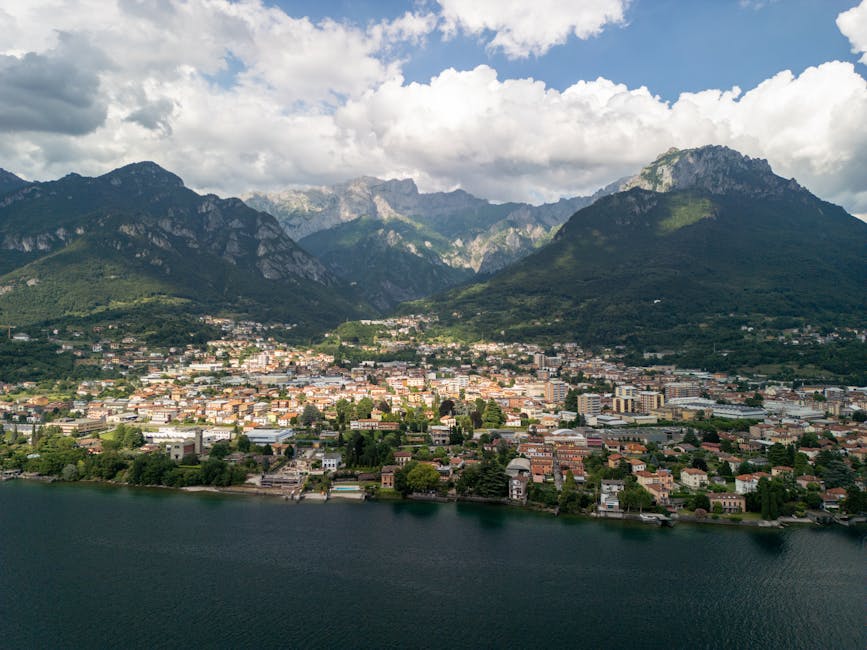
One of the main features that make Lake Como so captivating is its opulent villas and gardens, many of which are open to the public. Villa del Balbianello, perched on a promontory near Lenno, offers breathtaking views and exquisite terraced gardens. Villa Carlotta, in Tremezzo, combines art, history, and botanical beauty, with its impressive art collection and sprawling gardens. Visitors can enjoy boat tours that navigate around the lake, providing a unique perspective of the grand estates and scenic villages. The lake’s mild climate makes it ideal for outdoor activities year-round, from sailing and kayaking to hiking along scenic trails.
Practical information for travelers includes the availability of ferries connecting the towns, making it easy to explore without a car. The region boasts a range of accommodations, from luxury hotels to charming bed and breakfasts, catering to all budgets. Best visiting times are during spring and early autumn when the weather is mild, and the landscapes are particularly lush and colorful. Whether you seek relaxation, cultural exploration, or outdoor adventures, Lake Como offers a captivating experience that combines natural splendor with a touch of aristocratic charm.
Bellagio
Perched at the tip of the promontory where Lake Como divides into two branches, Bellagio is often called the “Pearl of the Lake.” Its enchanting streets, elegant villas, and panoramic views make it one of the most popular and picturesque destinations on the lake. The town’s historic center features narrow cobblestone alleys, charming piazzas, and vibrant shops, creating a lively yet relaxed atmosphere. Bellagio’s location offers stunning vistas of the surrounding mountains and shimmering waters, making it a photographer’s paradise.
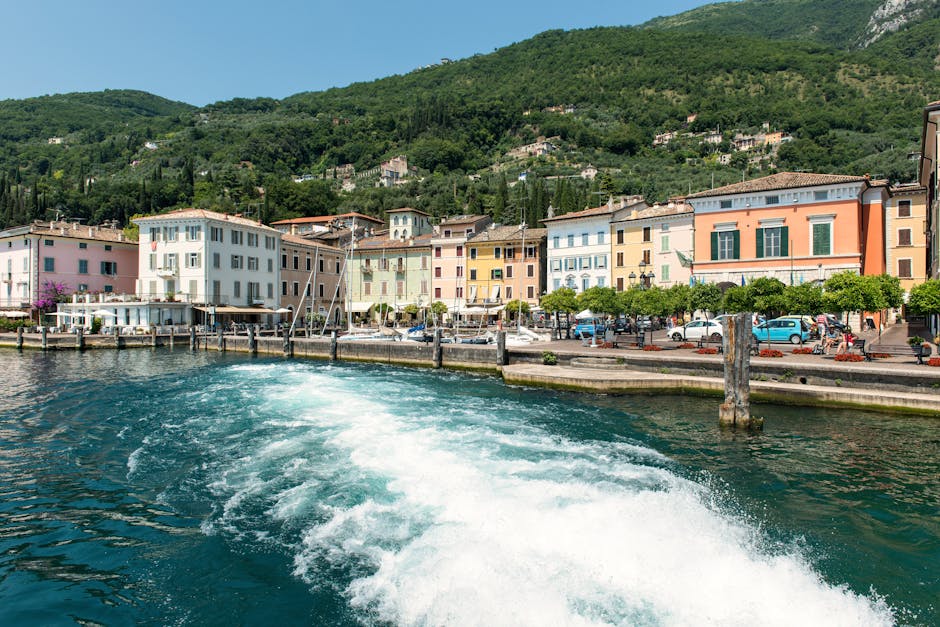
Bellagio is renowned for its luxurious villas and lush gardens. Villa Melzi, with its beautifully landscaped grounds and neoclassical architecture, offers a peaceful retreat with views over the lake. The nearby Villa Serbelloni, managed by the Rockefeller Foundation, features extensive gardens and panoramic terraces perfect for leisurely strolls. The town also boasts a lively promenade lined with cafes, boutiques, and restaurants, ideal for soaking in the atmosphere while enjoying local cuisine.
Visitors can explore the historic churches, such as San Giacomo, which dates back to the 11th century, or simply enjoy a boat ride around the lake to admire Bellagio from the water. Practical tips include arriving early in the morning or later in the evening to avoid crowds, especially in peak summer months. The town is accessible by ferry from other lake towns, making it an easy day-trip destination or a charming base for exploring the region. With its blend of natural beauty, cultural heritage, and elegance, Bellagio remains a must-visit for those seeking a quintessential Italian lakeside experience.
Lake Garda
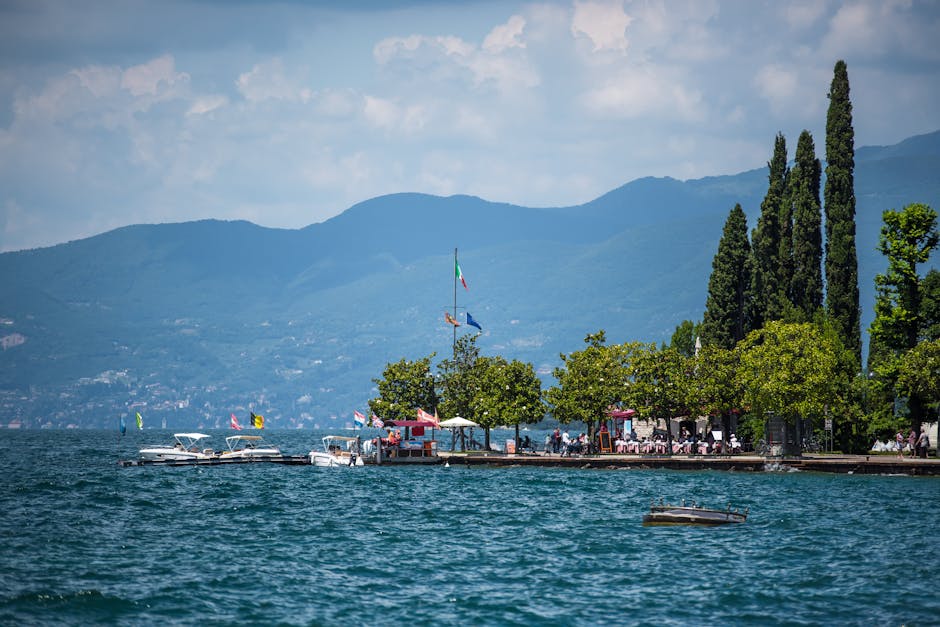
Lake Garda, Italy’s largest lake, spans across three regions: Veneto, Lombardy, and Trentino-Alto Adige. Its diverse landscape ranges from rugged mountains and rolling hills to charming lakeside towns. Known for its mild climate, the lake offers a rich variety of outdoor activities, from sailing and windsurfing to hiking and mountain biking. The area is dotted with historic sites, thermal spas, and vibrant villages, making it an ideal destination for both relaxation and adventure.
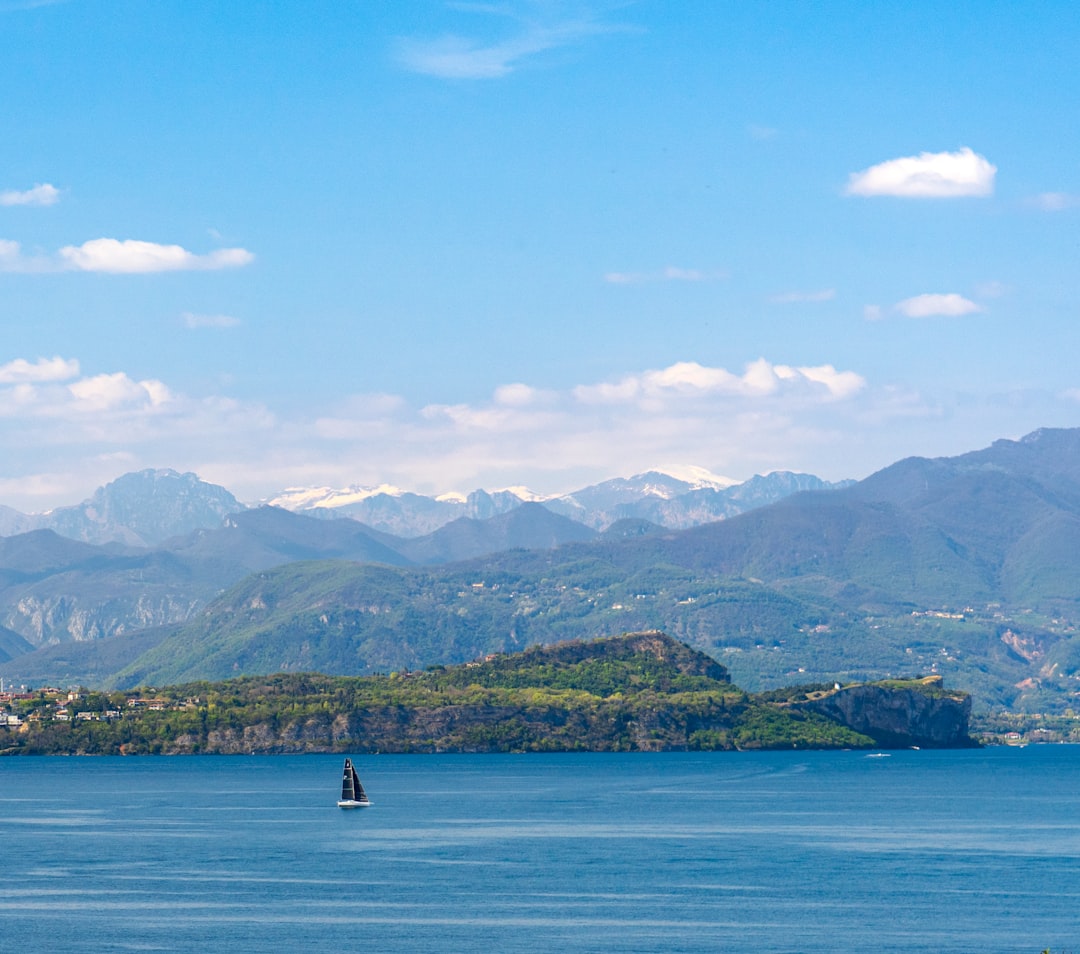
One of Lake Garda’s most attractive features is its picturesque towns. Sirmione, located on a narrow peninsula, is famous for its medieval castle, the Scaliger Castle, and the ruins of the Grotte di Catullo, an ancient Roman villa. Desenzano del Garda offers lively markets, cafes, and a bustling harbor, perfect for enjoying local life. Riva del Garda, situated at the northern tip, provides dramatic mountain scenery and excellent outdoor sports facilities.
Practical tips for visitors include taking advantage of the extensive ferry network to explore different towns effortlessly. The region also boasts numerous vineyards and olive groves, allowing for wine and olive oil tastings. The best time to visit is during spring and early fall when the weather is warm but not overly hot, and the crowds are smaller. Whether you’re seeking cultural experiences, outdoor activities, or simply relaxing by the water, Lake Garda’s varied landscape and vibrant towns promise a memorable Italian lakeside holiday.
Sirmione
Introduction and Location
Sirmione is a picturesque peninsula nestled on the southern shore of Lake Garda, Italy’s largest lake. Known for its charming medieval architecture, thermal spas, and stunning vistas, Sirmione offers visitors a perfect blend of history, relaxation, and natural beauty. The town is easily accessible from major cities such as Verona and Brescia, making it an ideal day-trip or extended stay destination for travelers exploring northern Italy.
Main Features and Attractions
One of Sirmione’s most iconic landmarks is the Scaliger Castle, a well-preserved fortress dating back to the 13th century. Its impressive towers and ramparts provide panoramic views over the lake and the surrounding landscape. Walking through the narrow, cobbled streets of the old town reveals charming boutiques, cafes, and historic sites, all nestled within ancient walls that tell stories of centuries past.
Another highlight is the Grotte di Catullo, the ruins of a Roman villa that once belonged to a wealthy patrician. These expansive archaeological remains are set on a scenic promontory, offering breathtaking views of Lake Garda. Exploring the villa’s extensive grounds allows visitors to imagine life in ancient Roman times while enjoying the serene environment.
Sirmione is also renowned for its thermal baths, which have been attracting visitors for centuries. The thermal spa complexes, such as Terme di Sirmione, offer therapeutic waters rich in minerals, perfect for relaxation and rejuvenation. Many visitors indulge in wellness treatments that combine modern comfort with the town’s historic charm.
Practical Information for Visitors
To reach Sirmione, travelers can arrive by car, boat, or train, with parking available outside the town walls. The town is compact and walkable, making it easy to explore on foot. For those interested in guided tours, local operators offer historical walks, boat trips, and wine tastings in the surrounding vineyards.
Best visited during spring and early autumn when the weather is mild, Sirmione also hosts various festivals and events throughout the year, adding vibrancy to your journey. Remember to wear comfortable shoes for exploring the cobbled streets and bring a camera to capture the stunning lake views and historic architecture.
Lake Maggiore
Introduction and Location
Lake Maggiore, straddling the border between Italy and Switzerland, is renowned for its crystal-clear waters, lush botanical gardens, and charming lakeside towns. It is the second-largest lake in Italy, stretching over 65 kilometers, and offers a diverse landscape of mountains, islands, and picturesque villages. Its mild climate and scenic beauty make it a favorite destination for travelers seeking tranquility and natural splendor.
Main Features and Attractions
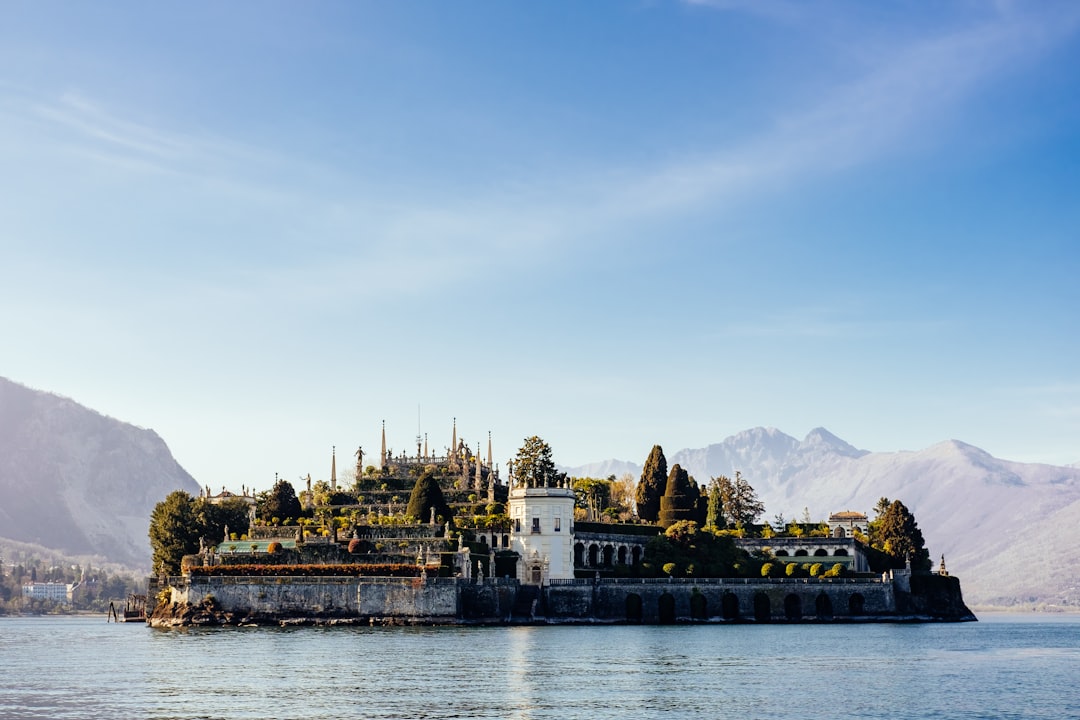
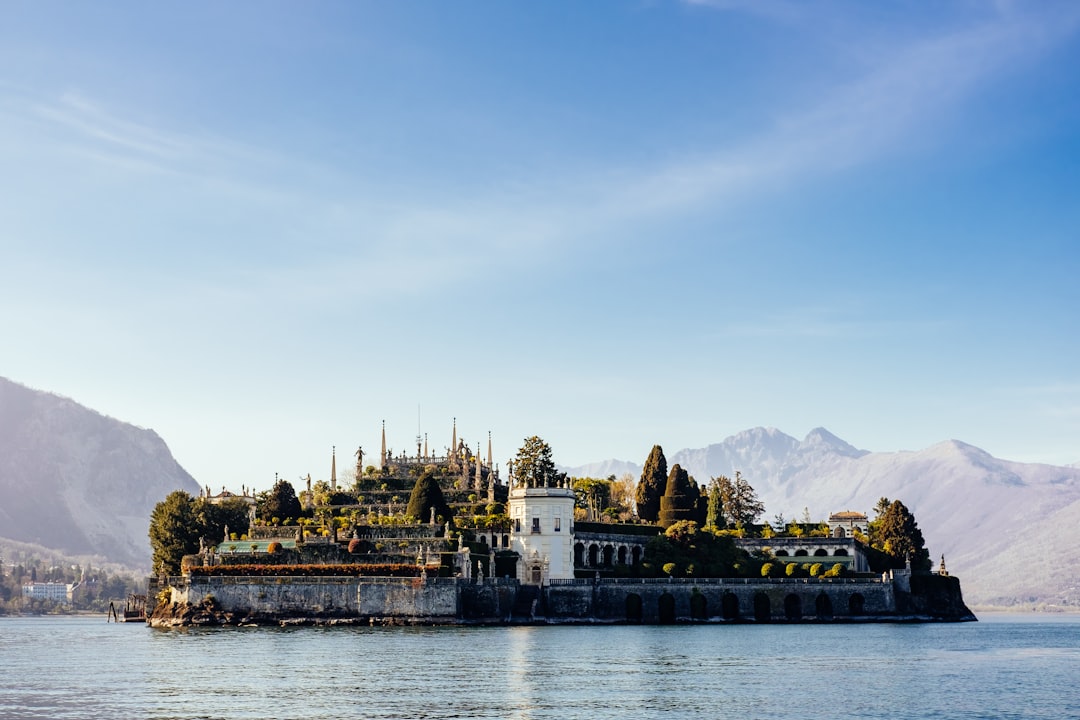
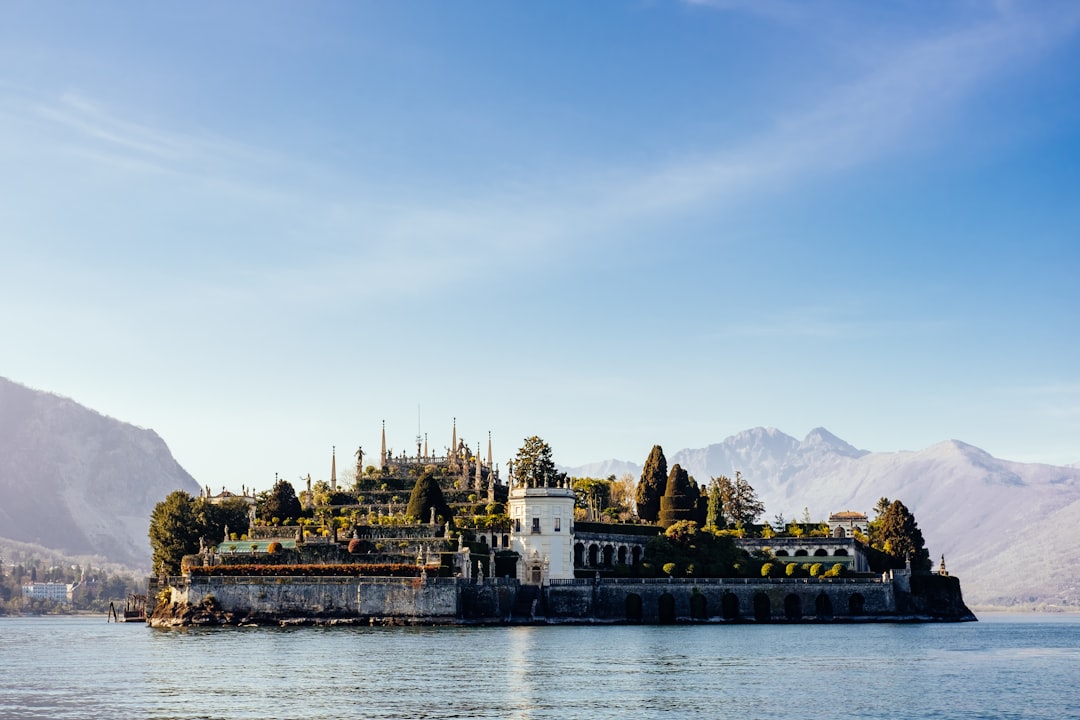
One of Lake Maggiore’s most captivating features is the Borromean Islands, a group of three islands rich in history, gardens, and cultural attractions. The Isola Bella is famous for its magnificent baroque palace and terraced gardens, which cascade down to the lake. Visitors can wander through opulent rooms and marvel at the exquisite Italianate landscape.
The Isola dei Pescatori, a quaint fishing village, offers a glimpse into traditional life with its narrow streets and local seafood cuisine. It’s perfect for a relaxed stroll and sampling regional delicacies. The third, Isola Madre, boasts lush botanical gardens and a collection of exotic plants, making it a paradise for nature lovers.
Beyond the islands, the towns surrounding Lake Maggiore, such as Stresa and Verbania, provide charming promenades, historic villas, and cultural venues. The Villa Pallavicino in Stresa, with its beautiful park and zoo, is ideal for family outings. Additionally, the lake’s scenic ferry routes connect various points of interest, allowing travelers to explore at a leisurely pace.
Practical Information for Visitors
Getting to Lake Maggiore is straightforward, with well-connected train stations and boat services operating from major cities like Milan and Turin. The towns are easily navigable on foot or by local transport, and many offer bike rentals for exploring the lakeside paths.
The best time to visit is during spring and early autumn when the weather is mild and the landscapes are vibrant. Pack comfortable shoes for walking along lakeside promenades and exploring gardens. Don’t forget your camera, as the views of the lake framed by mountains and lush gardens are truly breathtaking.
Best Time to Visit the Italian Lakes
Understanding the Weather and Climate
The Italian Lakes, including Como, Garda, Maggiore, and Iseo, enjoy a temperate climate with distinct seasons. Spring (April to June) and early autumn (September to October) offer mild temperatures, generally ranging from 15°C to 25°C, making these months ideal for sightseeing and outdoor activities. Summers (July and August) can be hot, with temperatures often exceeding 30°C, especially around Lake Garda, which can be perfect for swimming but may also bring crowds and higher prices. Winters (December to February) are cooler, with temperatures around 0°C to 10°C, and some lakeside towns may experience fog or rain, making this period less suitable for leisure travel but perfect for cozy escapes and off-season tranquility.
Peak Tourist Seasons
The high season spans from late June through August, coinciding with school holidays and warm weather. During this period, popular spots become crowded, and accommodation prices tend to rise. If you prefer a lively atmosphere, vibrant festivals, and bustling boat tours, visiting in summer is ideal. However, be prepared for long queues and limited availability. Conversely, the shoulder seasons of late spring and early autumn see fewer tourists, offering a more relaxed experience while still enjoying pleasant weather and beautiful scenery.
Benefits of Visiting During Off-Peak Periods
- Fewer Crowds: Quieter towns and more personalized experiences.
- Lower Prices: Accommodation and travel costs decrease outside peak months.
- More Authentic Encounters: Local life is more visible and accessible.
- Better Photography Opportunities: Soft lighting and fewer people in shots.
Summary Table: Pros and Cons of Visiting at Different Times
| Time of Year | Pros | Cons |
|---|---|---|
| Summer (July – August) |
|
|
| Spring (April – June) |
|
|
| Autumn (September – October) |
|
|
| Winter (December – February) |
|
|
As a journey planner, considering your preferences for weather, crowd levels, and activities can help determine the best time for your visit. Spring and early autumn often provide a favorable balance of pleasant weather and fewer tourists, making them ideal for exploring the Italian Lakes comfortably.
Getting to the Italian Lakes: Your Ultimate Journey Planner
The Italian Lakes region, renowned for its stunning scenery, charming towns, and crystal-clear waters, is a must-visit destination for travelers seeking both relaxation and adventure. Planning your journey effectively ensures a smooth arrival and maximizes your time exploring this picturesque area. Whether you’re arriving from within Italy or abroad, understanding your transportation options is key to creating an enjoyable travel experience.
Transportation Options to Reach the Italian Lakes
Flights
The most convenient way for international travelers to reach the Italian Lakes is by flying into major airports nearby. The closest airports include Milan Malpensa (MXP), Milan Linate (LIN), and Bergamo Orio al Serio (BGY). From these hubs, you can easily access the lakes via train, bus, or car rental. For domestic travelers, flying from other Italian cities such as Rome or Venice is also an option, especially during peak seasons when train routes may be crowded.
Trains
Italy boasts an extensive and efficient train network. You can take a high-speed train to cities like Milan, Como, or Bergamo, then switch to regional trains heading toward your specific lake destination. For example, from Milan, frequent trains run to Como, Lecco, and other lakeside towns. Trains offer a scenic and relaxing way to arrive, especially if you prefer avoiding the hassles of driving.
Buses
Regional bus services connect major cities with smaller towns around the lakes. Bus routes are particularly useful for reaching more remote or less accessible areas. They are also a budget-friendly option, providing frequent services during tourist seasons. Be sure to check schedules in advance, as some routes may have limited frequency outside peak times.
Car Rentals
Renting a car provides maximum flexibility, especially if you plan to explore multiple lakes or venture into the surrounding countryside. Roads around the lakes are well-maintained, and driving offers the chance to discover hidden gems along the shoreline. Remember that parking can be limited in popular towns, so plan accordingly.
Search for Car Hire
Travel Tips and Important Information
- Book flights early, especially during summer and holiday seasons, to secure the best fares.
- Consider train passes if traveling within Italy; they can offer cost savings and flexibility.
- Check local bus schedules in advance, as they may vary seasonally.
- If renting a car, familiarize yourself with local driving laws and parking regulations.
- Travel during off-peak hours to avoid congestion, especially around Milan and popular lakeside towns.
By carefully planning your journey with these options, you can enjoy a seamless trip to the Italian Lakes and focus on soaking in the breathtaking scenery and vibrant local culture. Remember, choosing the right transportation mode depends on your schedule, budget, and adventure preferences, so consider all options to craft your perfect travel experience.
Best Places to Stay in the Italian Lakes for Every Budget
When planning your journey to Italy’s stunning lakes, choosing the right accommodation can elevate your entire experience. Whether you seek luxury, mid-range comfort, or budget-friendly options, the Italian Lakes offer a diverse array of stays that cater to every traveler’s needs. Here, we explore top recommendations across different budgets, highlighting what makes each unique and perfect for your journey planner’s considerations.
Luxury Options: Indulge in Opulence
For travelers who desire the finest in comfort, service, and scenic beauty, the Italian Lakes boast some exceptional luxury hotels. These establishments often feature panoramic views, world-class amenities, and personalized service that transform a stay into a memorable experience.
- Villa d’Este, Lake Como
- Grand Hotel Tremezzo, Lake Como
- Villa La Massa, Lake Lugano
This historic 16th-century villa offers unparalleled elegance, with lush gardens, a private lakeside setting, and exquisite rooms decorated with antique furnishings. It’s perfect for those seeking privacy and a touch of royalty. The spa, gourmet restaurants, and boat excursions make it a complete luxurious retreat.
Overlooking the shimmering waters, this Art Nouveau hotel combines vintage charm with modern comforts. Guests enjoy three pools, a private beach, and exquisite dining options. It’s ideal for travelers who want sophistication paired with breathtaking scenery.
Set amidst lush gardens, this boutique hotel offers refined elegance with a tranquil atmosphere. Its spa facilities and gourmet restaurant make it a perfect escape for those seeking relaxation and exclusivity.
Mid-Range Comfort: Balance of Quality and Value
If you prefer comfort without the extravagance, mid-range hotels provide excellent amenities and authentic local charm. These options are ideal for travelers who want to immerse themselves in the lakes’ ambiance without overspending.
- Hotel Villa Flori, Lake Como
- Hotel Du Lac, Lake Garda
- Hotel Internazionale, Lake Maggiore
Located just outside Como, this boutique hotel features stylish rooms and a lakeside terrace. Its convenient location makes it easy to explore nearby towns while enjoying a peaceful setting.
This charming hotel offers comfortable rooms with lake views, a lovely garden, and friendly service. It’s perfect for families or couples seeking a relaxing lakeside stay.
Situated in Stresa, this hotel combines modern amenities with traditional decor. Its proximity to boat tours and the Borromean Islands makes it a practical choice for explorers.
Budget Options: Affordable and Authentic
For those traveling on a tighter budget, the Italian Lakes still offer welcoming and cozy accommodations. Budget hotels, hostels, and guesthouses provide a genuine experience without sacrificing comfort.
- Ostello Bello Lake Como
- Camping Bella Italia, Lake Garda
- Casa Camuzzi, Lake Maggiore
This lively hostel offers dorms and private rooms, along with a communal atmosphere perfect for meeting fellow travelers. Its central location makes it ideal for exploring Como and beyond.
For outdoor enthusiasts, this campsite provides affordable pitches and mobile homes. It offers direct access to the lake and a host of recreational activities.
This cozy guesthouse offers simple, clean rooms with warm hospitality. It’s a great base for exploring the surrounding towns on a budget.
In conclusion, the Italian Lakes cater to a wide range of preferences and budgets. Whether you indulge in luxury, seek mid-range comfort, or prefer budget-friendly stays, each option offers a unique way to experience the lakes’ natural beauty and cultural richness. As a journey planner, consider your priorities—scenery, amenities, and budget—to craft the perfect lakeside escape.
Essential Travel Products for Visiting the Italian Lakes
1. Waterproof Hiking Shoes
When exploring the stunning terrains around the Italian Lakes, a reliable pair of waterproof hiking shoes is indispensable. Designed specifically for outdoor adventures, these shoes feature waterproof membranes that keep your feet dry even when traversing damp trails or crossing small streams. They often include rugged soles with excellent grip, ensuring safety on uneven, slippery surfaces common around lakeside paths and mountain trails. Many models also offer ankle support, which is crucial for longer hikes or uneven terrain, reducing fatigue and preventing injuries. Popular brands like Salomon, Merrell, and Columbia produce durable, lightweight options suitable for various weather conditions.
Purchasing waterproof hiking shoes ensures you can enjoy the scenic beauty without discomfort or worry about wet feet. You can find quality options at outdoor retailers such as REI, Decathlon, or Amazon. Investing in these shoes not only enhances your comfort but also encourages more adventurous exploration, allowing you to discover hidden coves, remote villages, and panoramic viewpoints around the lakes.
2. Portable Power Bank with Solar Charging
Staying connected during your journey is vital, especially when capturing the breathtaking scenery of the Italian Lakes. A portable power bank with solar charging capabilities offers a practical solution for recharging your devices on the go. These power banks are lightweight, compact, and equipped with high-capacity batteries that can charge smartphones, cameras, and tablets multiple times. The solar panels enable you to recharge the device using sunlight, which is especially handy during long days of sightseeing or outdoor activities where electricity sources may be scarce.
Look for models with fast-charging features and multiple USB ports to accommodate various devices simultaneously. Brands like Anker, RAVPower, and BigBlue are known for reliable solar power banks. You can purchase these products online through Amazon or at outdoor gear stores. Having a dependable power source ensures you never miss capturing a moment or navigating with GPS, making your journey through the lakes seamless and enjoyable.
Check today’s best travel essentials on Amazon
Travel Guidebooks for Planning Your Dream Journey to the Italian Lakes
1. “Italy’s Lakes: A Travel Guide” by Lonely Planet
This comprehensive guide offers detailed insights into the Italian Lakes region, including Lake Como, Garda, Maggiore, and others. It covers practical information such as transportation options, accommodation suggestions, and local dining. The book also features curated itineraries for different trip lengths and interests, making it ideal for travelers planning a tailored experience. Available on Kindle Unlimited and Audible, it allows you to access essential tips and stories while on the move, enriching your journey with cultural and historical context.
2. “The Italian Lakes Travel Journal” by Wanderlust Publishing
This travel journal combines practical advice with space for personal notes and reflections. It provides an overview of key sights, hidden gems, and local traditions around the lakes. The narrative style makes it engaging and easy to follow, helping travelers visualize their trip and plan accordingly. Available on Audible, it’s perfect for those who enjoy listening to travel stories, inspiring ideas, and tips during their commute or relaxing moments.
3. “Exploring Northern Italy: Lakes, Mountains, and Cities” by Rick Steves
This guide offers a detailed look at Northern Italy, with a special focus on the lakes and surrounding regions. Rick Steves’ signature approach emphasizes cultural immersion, local experiences, and practical travel advice. The book includes recommendations for scenic drives, boat trips, and exploring charming towns. Accessible via Kindle Unlimited and Audible, it’s an excellent resource for travelers who want a mix of expert insights and personal anecdotes, helping them craft a memorable journey through Italy’s most picturesque lakes.
By combining these well-crafted guidebooks with your travel planning, you will gain a deeper understanding of the region’s history, culture, and hidden treasures. Whether you prefer reading or listening, these resources will help you navigate your Italian Lakes adventure with confidence and inspiration.
Travel prep made easy – listen to destination guides & phrasebooks for free!
Frequently Asked Questions About Planning Your Dream Journey to the Italian Lakes
What is the best time of year to visit the Italian Lakes?
For ideal weather and fewer crowds, consider visiting between late spring (May to June) or early autumn (September to October). During these months, temperatures are mild, ranging from 15°C to 25°C (59°F to 77°F), making outdoor activities comfortable. Summer months (July and August) are popular but tend to be busier and more expensive, especially around popular towns like Bellagio and Como. Spring and autumn also offer stunning natural scenery, with blooming flowers or vibrant fall foliage enhancing your experience. If you’re interested in festivals or local events, plan your trip around the Lake Como Music Festival or the Luino Market, both taking place in these shoulder seasons.
How should I plan my itinerary for exploring the Italian Lakes?
Start by identifying your priorities—whether it’s relaxing by the lake, exploring charming towns, or enjoying outdoor activities. A typical journey might include spending 2-3 days in each major area, such as Lake Como, Lake Garda, and Lake Maggiore. Use a journey planner to map out transportation options—many towns are connected by scenic ferries, trains, or buses. Allocate time for sightseeing, leisurely meals, and spontaneous exploration. For example, dedicate a day to visiting Villa del Balbianello on Lake Como or exploring the botanical gardens on Lake Maggiore. Remember to include downtime to soak in the breathtaking views and avoid rushing through your journey.
What are the best ways to get around the Italian Lakes?
Transportation options include ferries, which offer stunning views and access to most lakeside towns. Trains connect major towns such as Como, Desenzano, and Stresa efficiently, often with beautiful scenic routes. Buses serve more remote villages but may have limited schedules. Renting a car provides flexibility, especially if you wish to explore less accessible areas or enjoy scenic drives along the lakeshores. However, be aware that parking can be challenging and expensive in popular towns. A combination of ferries and trains often offers the most scenic and practical journey, allowing you to relax and enjoy the landscape without the stress of driving.
What should I pack for a trip to the Italian Lakes?
Pack versatile clothing suitable for variable weather—layers are essential. Include comfortable walking shoes for exploring cobblestone streets and hiking trails. Don’t forget sun protection such as hats, sunglasses, and sunscreen, especially if visiting during summer. A light rain jacket or umbrella is advisable, as weather can change unexpectedly. If you plan to indulge in outdoor activities like sailing or hiking, bring appropriate gear. For photography enthusiasts, a good camera or smartphone with extra batteries can help capture the breathtaking scenery. Lastly, pack some local currency (Euros) for small purchases, as not all shops accept credit cards.
Are there any hidden gems or lesser-known spots worth visiting?
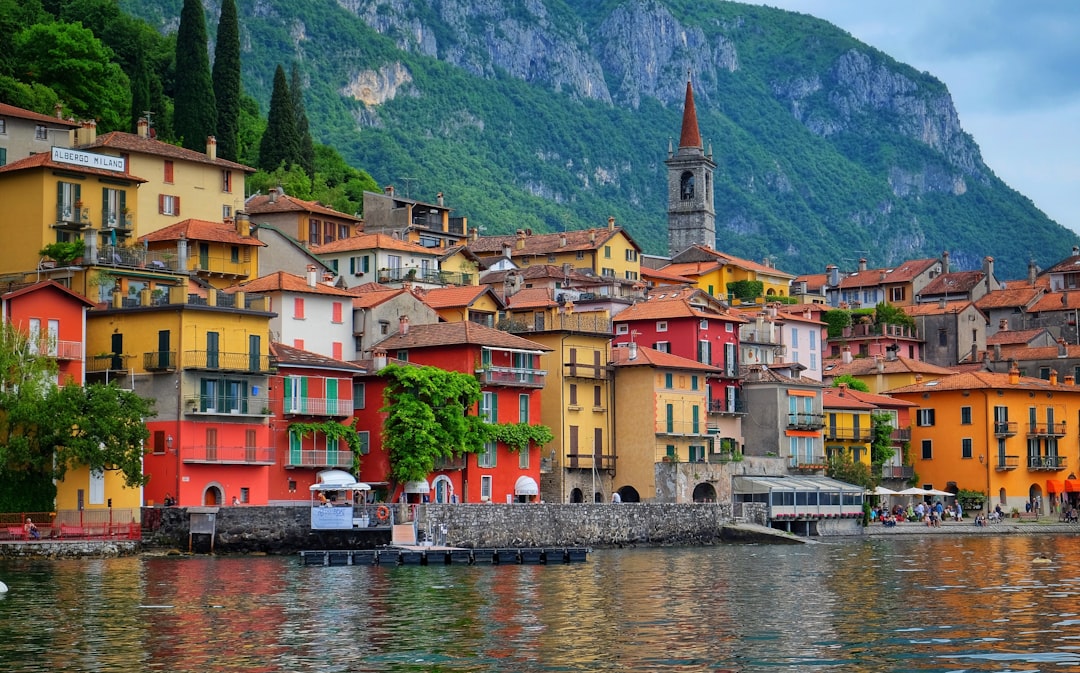
Absolutely. While towns like Bellagio and Stresa are famous, exploring lesser-known spots can enrich your journey. Consider visiting the quaint village of Varenna on Lake Como, known for its colorful houses and peaceful atmosphere. On Lake Garda, the small town of Limone sul Garda offers stunning lemon groves and a charming old town. For a unique experience, visit the Borromean Islands on Lake Maggiore, especially Isola Bella, which features a magnificent palace and gardens. These hidden gems often provide more authentic and tranquil experiences away from the crowds, making your journey truly memorable.
What practical tips can enhance my journey planning experience?
Utilize digital tools and apps, such as Google Maps, local transportation apps, and ferry schedules, to streamline your planning. Booking accommodations in advance, especially during peak season, ensures better rates and availability. Consider purchasing regional travel passes or ferry tickets ahead of time to save money. Keep a flexible schedule to accommodate spontaneous discoveries and weather changes. Lastly, learn a few basic Italian phrases; locals appreciate the effort and it can enhance your interactions. With thoughtful planning, your Italian Lakes journey will become a seamless and unforgettable adventure.
Earn cashback on car rentals, airport parking & travel gear!
Embark on Your Dream Journey to the Italian Lakes Today
Planning a memorable trip to the Italian Lakes is both an exciting and rewarding experience. Throughout this guide, we’ve highlighted essential tips such as selecting the ideal time to visit, choosing the right accommodations, and crafting an itinerary that balances relaxation with adventure. From the breathtaking vistas of Lake Como to the charming villages along Lake Garda, each destination offers a unique charm that captivates every traveler. We also emphasized the importance of a well-structured journey planner, which ensures seamless transitions between lakes, activities, and local experiences.
Furthermore, understanding transportation options, local cuisine, and cultural highlights enhances your overall experience. By integrating these insights into your planning process, you can create a personalized and stress-free adventure. Remember, the key to a successful journey lies in detailed preparation and flexibility, allowing you to embrace spontaneous discoveries along the way.
Now is the perfect moment to turn your dreams into reality. Start by mapping out your route, researching hidden gems, and setting your travel dates. The Italian Lakes await to offer you unforgettable memories and inspiring landscapes. Don’t hesitate—your perfect lakeside escape is just a plan away.