Kenya Travel Guide: Top Destinations & Tips
Kenya Travel Dream Journey Planning Guide: Discover the Heart of East Africa
Embark on Your Ultimate Kenyan Adventure: A Journey Planner’s Guide
Kenya, a land renowned for its breathtaking landscapes and vibrant cultures, stands out as a premier travel destination for adventurers and explorers alike. From sprawling savannahs teeming with wildlife to lush highlands and pristine coastlines, Kenya offers an unparalleled tapestry of natural beauty and cultural richness. Its iconic national parks and reserves serve as sanctuaries for the majestic Big Five, making it a must-visit for wildlife enthusiasts. But Kenya’s charm extends beyond its scenic vistas—its diverse communities, rich history, and dynamic urban centers create a compelling mosaic that beckons travelers to delve deeper.
Planning a journey to Kenya requires a thoughtful approach, especially for those seeking a seamless, memorable experience. Whether you are a first-time visitor or a seasoned traveler, understanding how to craft your itinerary, select the best travel seasons, and prepare for the diverse environments will elevate your adventure. This guide is designed to serve as your ultimate journey planner, offering insights into the unique aspects that make Kenya a truly exceptional destination. Expect detailed tips, strategic planning advice, and inspiring ideas to help you turn your Kenyan dream journey into an unforgettable reality.
Binge on the go – try Prime Video free for 30 days!
Maasai Mara National Reserve
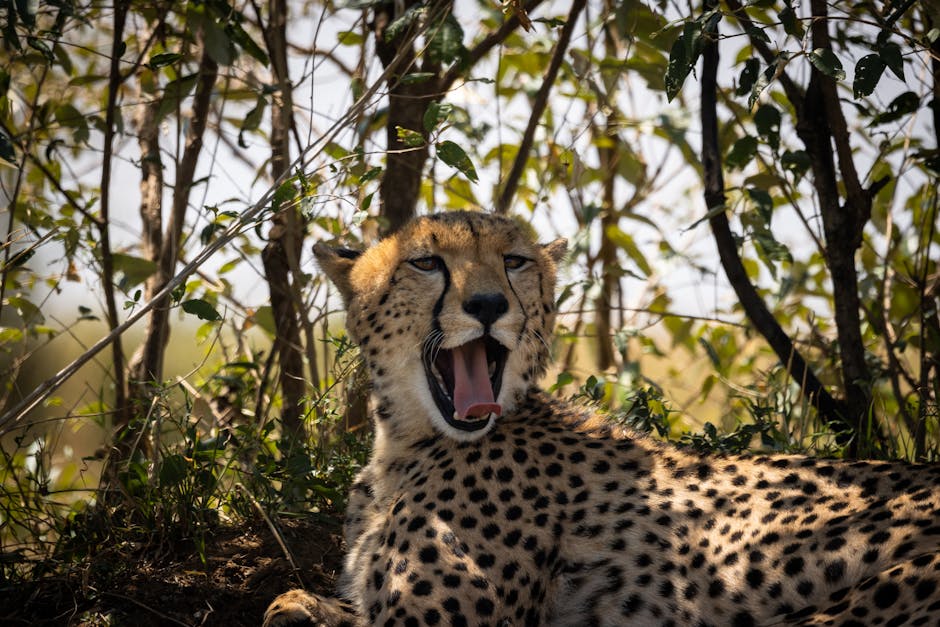
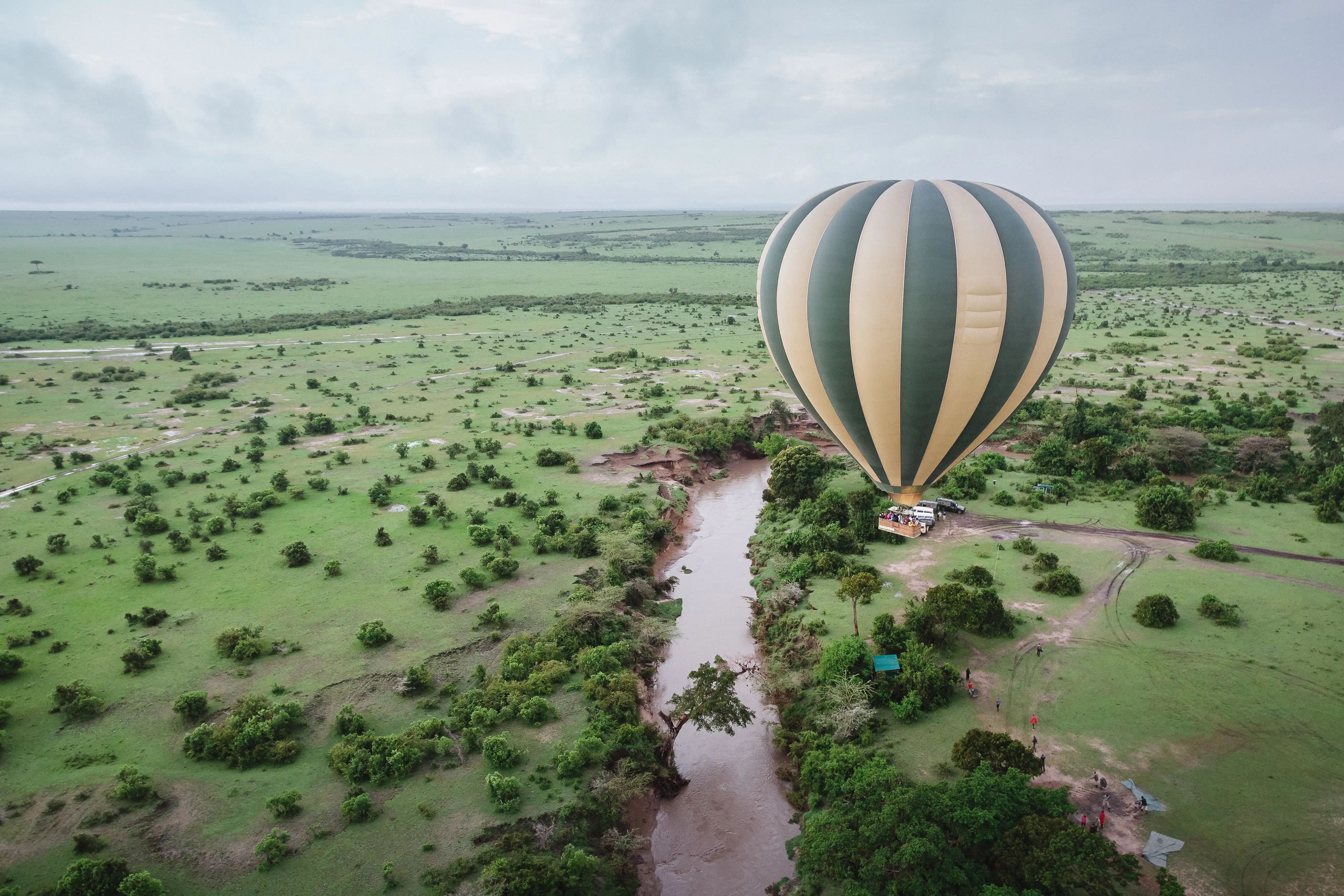
The Maasai Mara National Reserve, located in southwestern Kenya, is one of Africa’s most renowned wildlife conservation areas. Spanning approximately 1,510 square kilometers, it forms part of the Serengeti ecosystem and is famous for its exceptional populations of lions, elephants, cheetahs, and, most notably, the annual migration of over two million wildebeest and zebras. This vast savannah landscape offers a quintessential African safari experience, combining stunning scenery with abundant wildlife sightings. Visitors flock here year-round, but the best time to witness the migration is from July to October, when the herds cross the Mara River, creating a dramatic spectacle of nature’s resilience and survival.
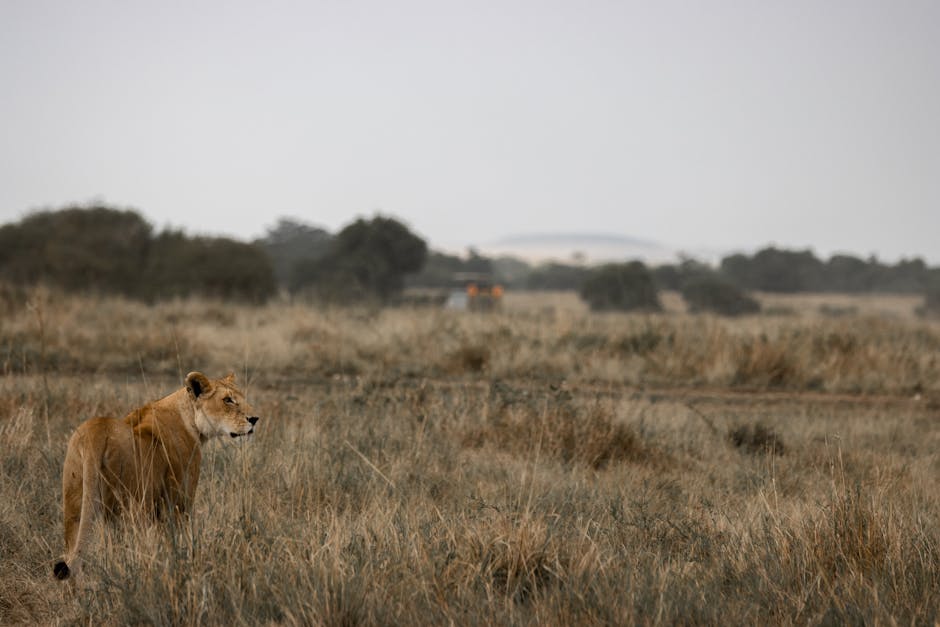
The Maasai Mara is renowned for its rich biodiversity and the opportunity to observe predators in action. The reserve’s open plains, acacia trees, and rolling hills provide a picturesque backdrop for game drives and photography. Visitors can partake in guided safaris led by experienced Maasai guides, who share their deep knowledge of the land and its inhabitants. The reserve also offers luxury lodges, tented camps, and budget accommodations, ensuring options for every traveler. Practical tips include early morning game drives for the best animal sightings, and packing binoculars and camera gear to capture the unforgettable moments.
Accessibility is straightforward, with airstrips nearby serving domestic flights from Nairobi and other major cities. Road transfers are also available, though they can be lengthy depending on your starting point. The Maasai Mara’s combination of breathtaking landscapes, abundant wildlife, and cultural encounters with the Maasai people makes it a must-visit destination for wildlife enthusiasts and adventure seekers alike. Whether you are on a family safari, a romantic getaway, or a photography expedition, the Maasai Mara promises an authentic and memorable journey into the heart of Africa’s wilderness.
Amboseli National Park
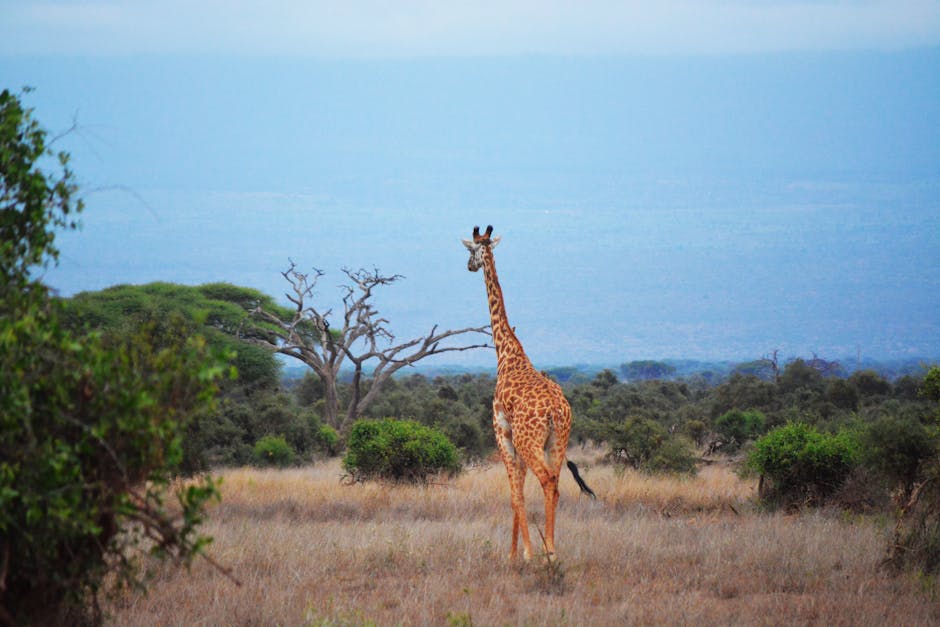
Nestled at the foot of Africa’s tallest mountain, Mount Kilimanjaro, Amboseli National Park offers one of Kenya’s most iconic safari experiences. Covering approximately 392 square kilometers in southern Kenya, the park is celebrated for its breathtaking vistas, vast swamps, and abundant wildlife. The landscape is characterized by expansive plains dotted with acacia trees, and the backdrop of Kilimanjaro creates a dramatic setting that draws photographers and nature lovers alike. Amboseli is particularly famous for its large herds of elephants, which are often seen wandering close to the park’s swamps, especially during dry seasons. This proximity provides visitors with unforgettable opportunities for close-up wildlife encounters.
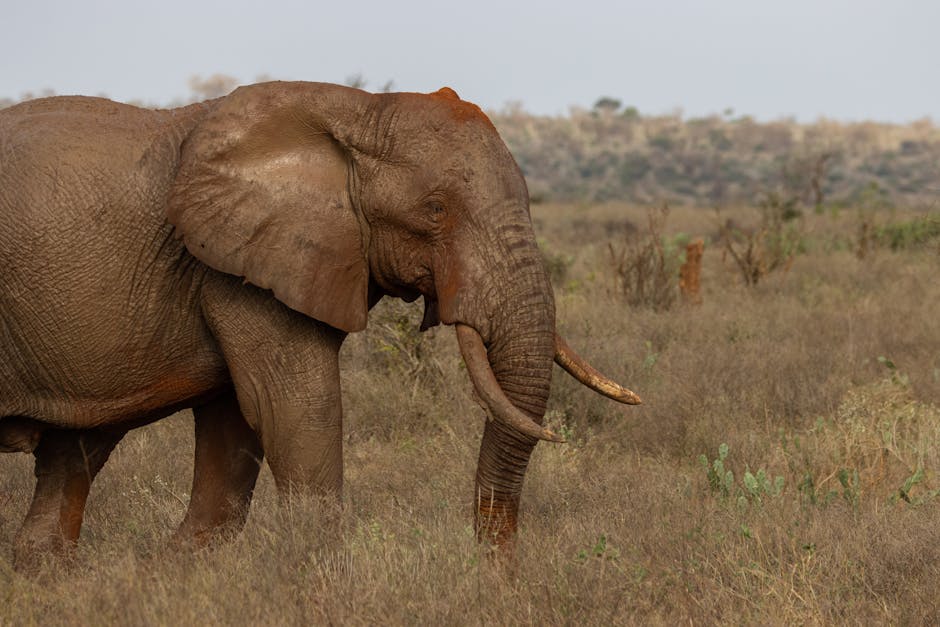
The park’s main features include its diverse ecosystems, which support over 400 bird species, including flamingos, pelicans, and storks. Birdwatchers find Amboseli a paradise, with the wetlands attracting a variety of avian life. The park is accessible year-round, with the dry season from June to October being ideal for game viewing, as animals congregate around water sources. Visitors can enjoy game drives, guided walks, and cultural visits to Maasai villages, where they can learn about local traditions and customs. Practical considerations include hiring experienced guides, carrying sun protection, and ensuring your vehicle is equipped for rugged terrain. Accommodation options range from luxury lodges with stunning views of Kilimanjaro to more modest campsites.
Amboseli’s unique combination of scenic beauty, impressive herds of elephants, and cultural richness makes it a top destination for travelers seeking a quintessential Kenyan safari. Its accessible location near Nairobi also makes it an excellent choice for a short safari or as part of a broader Kenya itinerary. Whether capturing the majestic elephants against the backdrop of Kilimanjaro or experiencing the vibrant Maasai culture, visitors leave with a profound appreciation for Kenya’s natural and cultural heritage.
Tsavo National Parks
Tsavo National Parks, divided into Tsavo East and Tsavo West, form one of Kenya’s largest and most diverse protected areas, covering over 20,000 square kilometers. Located in southeastern Kenya, this expansive wilderness is renowned for its rugged landscapes, iconic red elephants, and unique geological features. Tsavo East is characterized by open savannahs, the Galana River, and the Yatta Plateau, while Tsavo West offers volcanic landscapes, springs, and the Mzima Springs with its underwater hippo and fish viewing pools. Together, these parks provide a comprehensive safari experience, showcasing Kenya’s varied ecosystems and abundant wildlife.
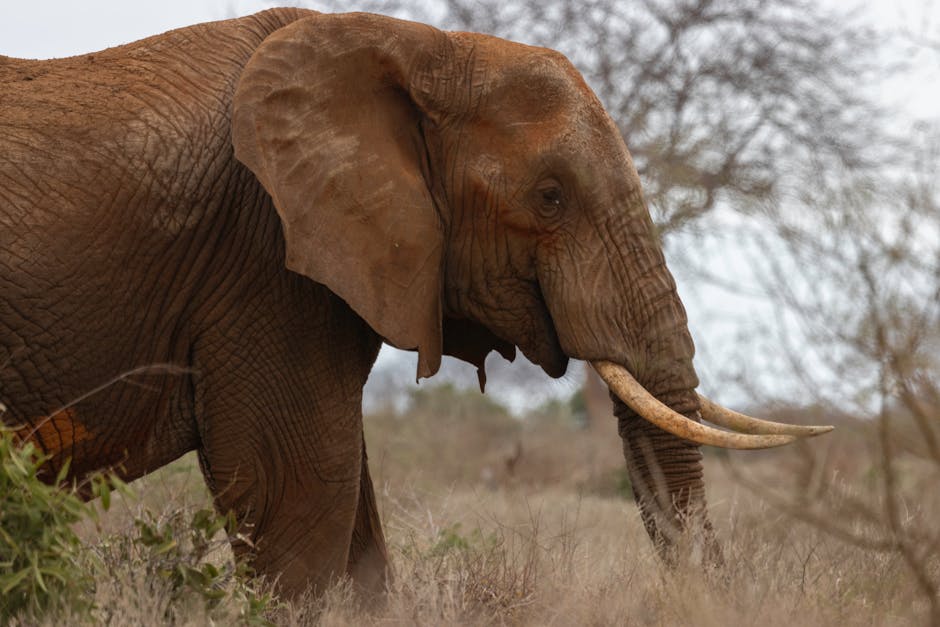
Wildlife enthusiasts will find Tsavo a haven for viewing elephants, lions, cheetahs, giraffes, and buffalo. The parks are particularly famous for their large elephant herds, often distinguished by their distinctive red dust coats, which give the parks their nickname. Birdwatchers will appreciate the diverse avian species, including eagles, vultures, and storks. Visitors can explore via game drives, guided walks, and night safaris, all offering unique perspectives on the wilderness. Practical tips include early morning drives for the best sightings, bringing sufficient water and sun protection, and respecting the park’s wildlife regulations. Accommodation options range from luxury lodges with panoramic views to self-catering campsites, catering to different preferences and budgets.
Tsavo’s remote beauty and the chance to encounter wildlife in a less crowded environment make it a compelling destination for adventurous travelers. The parks are accessible by road from Mombasa and Nairobi, making them ideal for combining with coastal or city visits. The diverse landscapes, the legendary red elephants, and the opportunity to experience Kenya’s raw wilderness ensure that Tsavo remains a top choice for a truly immersive safari adventure. Exploring Tsavo is not just about seeing animals; it’s about connecting with Kenya’s untamed natural spirit and discovering the resilience of life in one of Africa’s most historic parks.
Mount Kenya
Mount Kenya stands as the tallest mountain in Kenya and the second-highest in Africa, reaching an impressive altitude of 5,199 meters (17,057 feet). Located in central Kenya, approximately 150 kilometers north-northeast of Nairobi, this majestic massif is a UNESCO World Heritage Site renowned for its stunning landscapes, diverse ecosystems, and cultural significance. The mountain forms the heart of Mount Kenya National Park, an area protected for its unique flora, fauna, and breathtaking scenery. For travelers seeking adventure, natural beauty, or a glimpse into traditional Kikuyu culture, Mount Kenya offers an unforgettable experience.
The main features of Mount Kenya include its three prominent peaks: Batian, Nelion, and Point Lenana. Batian, at 5,199 meters, is the highest and most challenging to summit, attracting experienced climbers. Nelion, slightly lower at 5,188 meters, is known for its technical rock and ice routes. Point Lenana, at 4,985 meters, is the most accessible peak for trekkers and hikers, making it a popular choice for those with limited mountaineering experience. The mountain’s slopes are adorned with lush alpine forests, bamboo zones, and moorlands, gradually giving way to glaciers and snowfields at higher elevations.
Visiting Mount Kenya offers a blend of adventure and tranquility. Trekkers and climbers can choose from various routes, such as the Sirimon, Naro Moru, or Chogoria routes, each providing different scenic vistas and levels of difficulty. The journey to the summit is physically demanding but rewarding, with panoramic views of the surrounding landscape and the chance to see rare wildlife including elephants, buffalo, and the endemic Mount Kenya hyrax. The mountain also holds cultural importance for the Kikuyu people, who regard it as their spiritual homeland.
Practical information for visitors includes planning for altitude acclimatization, packing appropriate gear, and hiring experienced guides. The best time to visit is during the dry seasons from January to March and July to October, when weather conditions are most favorable for trekking. Accommodations range from basic campsites to comfortable lodges at the mountain’s base, providing options for different budgets. Whether you seek a challenging summit or a scenic hike, Mount Kenya promises a memorable journey into one of Africa’s most iconic natural landmarks.
Lamu Old Town
Lamu Old Town, situated on Lamu Island along Kenya’s northern coast, is a UNESCO World Heritage Site celebrated for its rich Swahili culture, historic architecture, and vibrant community life. Established over a thousand years ago, Lamu is one of East Africa’s oldest towns, offering a captivating glimpse into a bygone era of maritime trade and cultural exchange. The town’s narrow winding streets, ancient coral stone buildings, and bustling markets create an authentic and immersive experience for travelers eager to explore Kenya’s coastal heritage.

At the heart of Lamu Old Town are its well-preserved Swahili architecture and historical sites. The town’s mosques, some dating back to the 14th century, showcase intricately carved wooden doors and coral stone walls. The Lamu Fort, built in the 19th century, stands as a testament to the town’s strategic importance and offers panoramic views of the harbor. Visitors can wander through labyrinthine alleyways, discovering bustling markets filled with spices, textiles, and handcrafted jewelry. The town’s vibrant dhow boats, traditional wooden sailing vessels, dot the harbor, adding to the picturesque scenery.
Exploring Lamu Old Town is like stepping into a living museum. The community’s rich traditions are evident in the daily life, from the lively markets to the cultural festivals that celebrate Swahili music, dance, and cuisine. Visitors can also enjoy leisurely walks along the pristine beaches or take boat trips to nearby islands. The town’s relaxed atmosphere makes it ideal for those seeking cultural immersion and historical discovery.
Practical tips for travelers include respecting local customs, especially during religious ceremonies, and hiring local guides to enhance the experience. The best time to visit is during the dry seasons from December to March and July to October, when the weather is warm and dry. Accommodations range from boutique guesthouses to luxury resorts, many of which are built in traditional Swahili style. Whether you’re exploring ancient mosques or enjoying fresh seafood by the waterfront, Lamu Old Town offers a unique journey into Kenya’s coastal legacy—an essential stop for history enthusiasts and culture seekers alike.
Best Time to Visit Kenya
Understanding the Climate and Weather Patterns
Kenya’s climate varies across regions, but generally, the country experiences two main rainy seasons: the long rains from March to May and the short rains from October to December. The dry seasons, from June to October and January to February, are ideal for wildlife viewing because animals tend to gather around water sources, making sightings more predictable. Temperatures are warm year-round, but the dry months tend to be more comfortable for travelers, especially in the coastal and safari regions.
Peak Tourist Seasons
The prime time to visit Kenya aligns with the dry seasons, particularly from July to October and January to February. During these months, the weather is most reliable, and wildlife sightings are at their best. The period from July to October also coincides with the Great Migration, when millions of wildebeest and zebras cross the Maasai Mara, offering a spectacular natural spectacle. However, these months also attract the highest number of tourists, leading to increased prices and crowded parks.
Benefits of Visiting During Off-Peak Seasons
Traveling outside peak periods, especially during the shoulder months of April, May, and November, offers distinct advantages. These include lower prices for accommodations and flights, fewer crowds, and a more intimate experience with nature. While some parks may be muddy or less accessible during the rainy seasons, this can also mean fewer tourists and a more authentic safari experience. Additionally, the landscape is lush and vibrant, providing excellent opportunities for photography and birdwatching.
Summary of Pros and Cons
| Timing | Pros | Cons |
|---|---|---|
| Peak Season (July-October, January-February) |
|
|
| Off-Peak Season (April-May, November) |
|
|
As a journey planner, consider your priorities—whether it’s wildlife viewing, budget, or avoiding crowds—to choose the optimal time for your Kenyan adventure. Planning ahead ensures you experience Kenya’s breathtaking landscapes and abundant wildlife at their best.
Getting to Kenya: Your Ultimate Journey Planner
Kenya, renowned for its breathtaking landscapes and vibrant culture, is a dream destination for many travelers. Planning your journey effectively ensures a smooth arrival and sets the tone for an unforgettable adventure. Whether you’re arriving from afar or nearby, understanding the best transportation options and travel tips can significantly enhance your experience. Below, we explore various ways to reach Kenya and how to navigate your way around once you arrive.
Flights to Kenya
The most common and convenient way to reach Kenya is by air. Kenya’s main international gateway is Jomo Kenyatta International Airport (NBO) in Nairobi, which connects to numerous global hubs. Other notable airports include Moi International Airport in Mombasa and Kisumu International Airport. Major airlines such as Kenya Airways, Emirates, Qatar Airways, and Turkish Airlines operate regular flights to these airports.
When booking flights, consider arriving early in the day to allow for smooth customs processing and avoid delays. Additionally, check for seasonal promotions or direct flights from your departure city to minimize travel time. For travelers on a budget, connecting flights through Middle Eastern or European hubs often offer competitive prices.
Other Transportation Options
Trains and Buses
Kenya has an expanding railway network, with the Standard Gauge Railway (SGR) connecting Nairobi to Mombasa. This high-speed train offers a comfortable and scenic journey, taking approximately 4 hours. Buses are widely available and serve most towns and tourist destinations, providing an affordable and flexible travel option.
Car Rentals and Self-Drive
If you prefer exploring at your own pace, renting a car is an excellent choice. Major international car rental companies operate in Kenya, especially at airports and major cities. Keep in mind that driving is on the left side, and road conditions vary, so plan accordingly.
Travel Tips and Important Information
- Visa requirements: Most travelers need a visa to enter Kenya, which can often be obtained online through eVisa systems or on arrival at major airports.
- Health precautions: Ensure your vaccinations are up to date, especially for yellow fever. Carry insect repellent and malaria prophylaxis.
- Currency: The Kenyan Shilling (KES) is the official currency. Carry some cash, but credit cards are widely accepted in urban areas.
- Travel safety: Stay informed about local advisories, especially if venturing into remote areas. Always use reputable transport providers and keep your belongings secure.
By planning your journey carefully and understanding the various transportation options, you can maximize your time and enjoy all that Kenya has to offer. From efficient flights to scenic train rides and flexible bus routes, your adventure begins even before you arrive.
Best Places to Stay in Kenya: A Guide for Every Budget
Kenya is renowned for its breathtaking landscapes, vibrant culture, and abundant wildlife. Whether you are a luxury traveler, seeking mid-range comfort, or on a tight budget, Kenya offers a variety of accommodations to enhance your journey. As a journey planner, it’s essential to select lodging that complements your travel style and ensures a seamless experience. Here, we explore top options across different budgets, helping you make informed choices for your Kenyan adventure.
Luxury Options: Indulge in Elegance and Comfort
For travelers who desire a lavish experience, Kenya boasts some of the continent’s most exquisite lodges and hotels. These properties combine world-class amenities with spectacular views, often nestled within national parks or along the coast.
Angama Mara – Located on the edge of the Great Rift Valley overlooking the Maasai Mara, Angama Mara offers luxurious tented suites with floor-to-ceiling windows. The property emphasizes privacy and exclusivity, making it ideal for a romantic safari or special celebration. Its exceptional service and panoramic vistas make it a top choice for discerning travelers.
Giraffe Manor – Situated in Nairobi, this boutique hotel is famous for its resident herd of giraffes that often poke their heads through the windows. The elegant rooms, combined with personalized service, create a unique blend of luxury and wildlife immersion. It’s perfect for travelers seeking a memorable experience with a touch of whimsy.
Mid-Range Options: Comfort with Authentic Charm
Mid-range accommodations balance comfort, affordability, and local character. They often provide excellent amenities without sacrificing authenticity.
- The Mara Serena Safari Lodge – Set in the Maasai Mara, this lodge offers spacious rooms with stunning views of the plains. Its strategic location allows easy access to game drives, making it an excellent base for wildlife enthusiasts. The lodge features a swimming pool, spa, and delicious local cuisine, ensuring a relaxing stay.
- Jambo House, Nairobi – Located near the city center, Jambo House combines modern comfort with Kenyan hospitality. It provides well-appointed rooms, a rooftop restaurant, and easy access to Nairobi’s attractions, making it ideal for travelers who want convenience and comfort.
Budget Options: Affordable Comfort and Local Flavor
For travelers on a tighter budget, Kenya offers numerous hostels, guesthouses, and budget hotels that provide clean, safe, and friendly environments.
- Manyatta Guest House, Nairobi – This cozy guesthouse offers affordable rates with a warm, welcoming atmosphere. It provides basic amenities, free Wi-Fi, and helpful staff, making it a great starting point for exploring Nairobi.
- Ol Tukai Lodge, Amboseli – Located near Amboseli National Park, Ol Tukai offers comfortable rooms at accessible prices. Its proximity to wildlife and the iconic Mount Kilimanjaro makes it a favorite among budget-conscious safari travelers.
In conclusion, Kenya’s diverse accommodation options cater to every traveler’s preference and budget. As a journey planner, consider your travel style, desired experiences, and logistical needs when choosing where to stay. This approach ensures a memorable, seamless journey through Kenya’s extraordinary landscapes and cultures.
Essential Travel Products for Visitors to Kenya
Traveling to Kenya offers an incredible adventure filled with wildlife safaris, vibrant cultures, and stunning landscapes. To ensure your journey is seamless and enjoyable, investing in the right travel products is essential. Here are two highly recommended items designed specifically for visitors exploring this diverse destination.
1. Wilderness Explorer Travel Backpack
The Wilderness Explorer Travel Backpack is a versatile and durable companion for any Kenyan safari or city exploration. Crafted from high-quality, water-resistant nylon, this backpack is built to withstand rugged outdoor conditions. Its spacious main compartment comfortably fits essentials like clothing, camera gear, and snacks, while multiple smaller pockets allow for organized storage of passports, travel documents, and personal items.
One of its standout features is the built-in hydration bladder sleeve, enabling travelers to stay hydrated during long game drives or hikes. The padded shoulder straps and breathable back panel ensure comfort, even during extended wear. Additionally, the backpack includes a secure, lockable zipper system, providing peace of mind in crowded areas or during transit.
Designed with adaptability in mind, it features attachment points for tripods, water bottles, and trekking poles. Whether you’re exploring the Maasai Mara or wandering through Nairobi, this backpack is an excellent choice to carry everything you need efficiently. You can purchase the Wilderness Explorer Travel Backpack online through outdoor gear retailers or on Amazon, where it receives high praise for durability and functionality.
2. Solar-Powered Portable Charger
Kenya’s remote safari parks often lack charging stations, making a reliable power source crucial. The Solar-Powered Portable Charger is an innovative solution for keeping your devices charged throughout your adventure. Equipped with high-capacity lithium-ion batteries and efficient solar panels, this device harnesses sunlight to generate power, ensuring you stay connected and capture memories without worry.
Its compact design makes it easy to pack, while multiple USB ports allow you to charge smartphones, cameras, and GPS units simultaneously. The rugged, shockproof exterior protects it from rough handling in outdoor environments, and an LED indicator displays charging status for convenience. This charger is particularly useful during long game drives or camping excursions, where access to electricity is limited.
Available on eco-friendly and outdoor gear websites, as well as Amazon, this product is a must-have for eco-conscious travelers who want to minimize their carbon footprint while ensuring their devices stay powered. Its solar charging capability makes it especially suitable for Kenya’s sunny climate, providing peace of mind during extended trips in nature.
Browse popular travel essentials on Amazon
Guidebooks for Planning Your Dream Journey to Kenya
Once equipped with the right gear, the next step is to plan your unforgettable Kenyan adventure. A comprehensive guidebook can be your best resource, offering insights, tips, and detailed itineraries. For those using Kindle Unlimited or Audible, several excellent options are available to help you craft your perfect journey.
1. “Kenya Safari Adventure: The Ultimate Travel Guide”
This Kindle Unlimited book provides an in-depth overview of Kenya’s top safari destinations, including Maasai Mara, Amboseli, and Tsavo. It offers practical advice on choosing the best times to visit, what to pack, and how to navigate local customs. Richly illustrated, it also features detailed maps and suggested itineraries tailored for different travel durations, making it ideal for first-time visitors and seasoned explorers alike.
2. “Discover Kenya: A Traveler’s Guide” (Audible)
Perfect for listening during long drives or relaxing evenings, this Audible guide offers engaging narratives about Kenya’s wildlife, culture, and history. It includes insider tips from local experts, helping travelers experience authentic interactions and avoid common pitfalls. The book also highlights off-the-beaten-path locations, encouraging a deeper exploration beyond popular parks.
3. “Kenya: The Essential Travel Companion” (Kindle Unlimited)
This comprehensive guide covers practical aspects such as visa requirements, safety tips, and health advisories. It also provides detailed descriptions of major attractions and suggested itineraries for different interests—whether wildlife, adventure, or cultural immersion. Its user-friendly format makes it easy to reference while on the move, ensuring travelers can adapt plans as needed.
By combining these guidebooks with your travel gear, you can approach your Kenyan journey with confidence and clarity. Whether you’re seeking adventure, cultural discovery, or wildlife encounters, these resources will help turn your travel dream into a well-planned reality.
Make waiting in airports fun – listen to free travel audiobooks on Audible!
Frequently Asked Questions About Planning Your Dream Journey to Kenya
1. What is the best time of year to visit Kenya for a memorable safari experience?
Kenya offers exceptional wildlife viewing throughout the year, but the optimal time depends on your interests. The dry seasons, from late June to October and January to February, are ideal for safaris because animals gather around water sources, making sightings easier. The Great Migration of wildebeest and zebras typically occurs from July to October, providing a spectacular spectacle for travelers. Conversely, the wet seasons—March to June and November to December—are less popular but offer lush landscapes and fewer tourists. Additionally, the rainy months can be perfect for birdwatching and exploring less crowded parks. When planning, consider your priorities: wildlife viewing, birdwatching, or cultural experiences, and choose your travel window accordingly.
2. How should I plan my itinerary to maximize my experience in Kenya?
Effective journey planning involves balancing wildlife safaris, cultural visits, and relaxation. A typical itinerary might include:
- Starting with a few days in Nairobi, exploring the David Sheldrick Elephant Orphanage and Giraffe Centre.
- Heading to Maasai Mara for a 3-4 day safari, especially during the migration season.
- Including a visit to Amboseli National Park for iconic views of Mount Kilimanjaro and elephant herds.
- Adding a cultural experience with a Maasai village tour or visiting local communities.
- Relaxing on the beaches of Diani or Lamu if time permits.
Remember, travel between parks is feasible via domestic flights or organized transfers, saving time and energy. Prioritize parks and activities based on your interests, and always leave some flexibility for spontaneous adventures.
3. What should I pack for my Kenyan safari adventure?
Preparing the right gear enhances your experience. Essential items include:
- Lightweight, neutral-colored clothing to blend into the environment and stay cool.
- Long-sleeved shirts and trousers for protection against insects and sun exposure.
- Binoculars for better wildlife viewing.
- Sunscreen, sunglasses, and a wide-brimmed hat for sun protection.
- Camera with extra batteries and memory cards to capture the breathtaking scenery.
- Insect repellent, especially in the evenings.
- Sturdy walking shoes for game drives and walking safaris.
Additionally, pack a light rain jacket during the rainy season and ensure your travel documents, vaccinations, and visas are in order before departure.
4. Are there any health precautions I should take before traveling to Kenya?
Yes, health preparedness is crucial for a safe journey. Consult your healthcare provider at least six weeks before traveling. Recommended precautions include:
- Getting vaccinations for yellow fever, typhoid, hepatitis A and B, and tetanus.
- Taking anti-malarial medication, especially if visiting rural or forested areas.
- Carrying a basic first aid kit, including insect repellent, antihistamines, and any personal medications.
- Staying hydrated and avoiding drinking untreated water.
- Using insect nets and protective clothing during evenings to prevent mosquito bites.
Always check the latest travel advisories and health recommendations from reputable sources before your trip.
5. How can I ensure my journey planning is eco-friendly and respectful to local communities?
Responsible travel enhances your experience and supports sustainable tourism. To do so:
- Choose eco-certified lodges and tour operators committed to conservation efforts.
- Respect local customs, traditions, and sacred sites.
- Support community-based tourism initiatives, such as visiting Maasai villages or local markets.
- Minimize waste by reducing plastic use and disposing of rubbish responsibly.
- Engage with local guides to gain authentic insights and promote economic benefits within communities.
This approach not only enriches your journey but also helps preserve Kenya’s natural and cultural heritage for future travelers.
6. What are the transportation options within Kenya for travelers?
Kenya offers a variety of transportation modes to facilitate smooth travel:
- Domestic Flights: Fast and convenient, connecting major parks like Maasai Mara, Amboseli, and Samburu.
- Private Transfers and Car Rentals: Ideal for flexibility; many operators provide 4×4 vehicles suitable for rough terrains.
- Guided Tours and Safari Vehicles: Many lodges and tour companies include transportation as part of their packages.
- Public Transport: Buses are available but less reliable for remote safari destinations.
For a seamless experience, booking transfers in advance and opting for reputable operators is recommended. This ensures safety, comfort, and timely arrivals at your destinations.
Embark on Your Kenyan Adventure with Confidence
Planning your dream journey to Kenya involves careful consideration of timing, logistics, health, and responsible tourism. By addressing these common questions, you can craft an itinerary that is both memorable and sustainable. Remember, the key to a successful trip lies in detailed preparation, flexibility, and respect for the land and its people. Your unforgettable Kenyan safari awaits!
Book your next trip & earn cashback – sign up today!
Embark on Your Unforgettable Kenyan Adventure Today
In summary, planning your dream journey to Kenya involves understanding its diverse landscapes, rich wildlife, and vibrant cultures. From exploring the iconic Maasai Mara and witnessing the breathtaking wildebeest migration to relaxing on pristine beaches along the Indian Ocean, Kenya offers an unparalleled array of experiences for every traveler. Utilizing a comprehensive journey planner helps optimize your time, budget, and interests, ensuring a seamless and memorable trip. Remember to prioritize safety, research local customs, and choose the best seasons for your preferred activities to maximize your adventure.
As you prepare to explore this extraordinary destination, embrace the opportunity to connect deeply with nature and local communities. Whether you’re an avid wildlife enthusiast, a cultural explorer, or a leisure seeker, Kenya promises a journey filled with awe and inspiration. Take the first step today by consulting trusted travel resources, booking your accommodations early, and crafting a flexible itinerary that allows spontaneous adventures. Your dream Kenyan journey awaits—dive in with enthusiasm and curiosity!