Egypt Travel Guide
Discover the Magic of Egypt: Your Ultimate Travel Dream Journey Planning Guide
Embark on a Timeless Adventure Through Egypt’s Rich Heritage and Vibrant Culture
Egypt, a land where history and mystique intertwine, beckons travelers seeking an unforgettable journey. From the legendary Nile River to sprawling deserts and bustling markets, this destination offers a tapestry of experiences that captivate every traveler’s imagination. Known as the cradle of ancient civilization, Egypt’s iconic monuments and archaeological wonders tell stories that span thousands of years, making it a must-visit for history enthusiasts and adventure seekers alike. Beyond its historical treasures, Egypt boasts a vibrant culture, flavorful cuisine, and warm hospitality that make every moment memorable.
Whether you dream of exploring ancient temples, cruising along the Nile, or immersing yourself in vibrant city life, planning your journey to Egypt requires thoughtful consideration. This guide aims to serve as your ultimate travel planner, providing insights into crafting a seamless, enriching experience tailored to your interests. You’ll discover essential tips for navigating the destination, choosing the best time to visit, and uncovering hidden gems that make Egypt uniquely yours. Prepare to turn your travel dreams into reality with expert advice and inspiring ideas that will elevate your Egyptian adventure.
Why pay for in-flight entertainment? With Prime Video, you can bring your own movies & shows – start your free trial today!
Pyramids of Giza
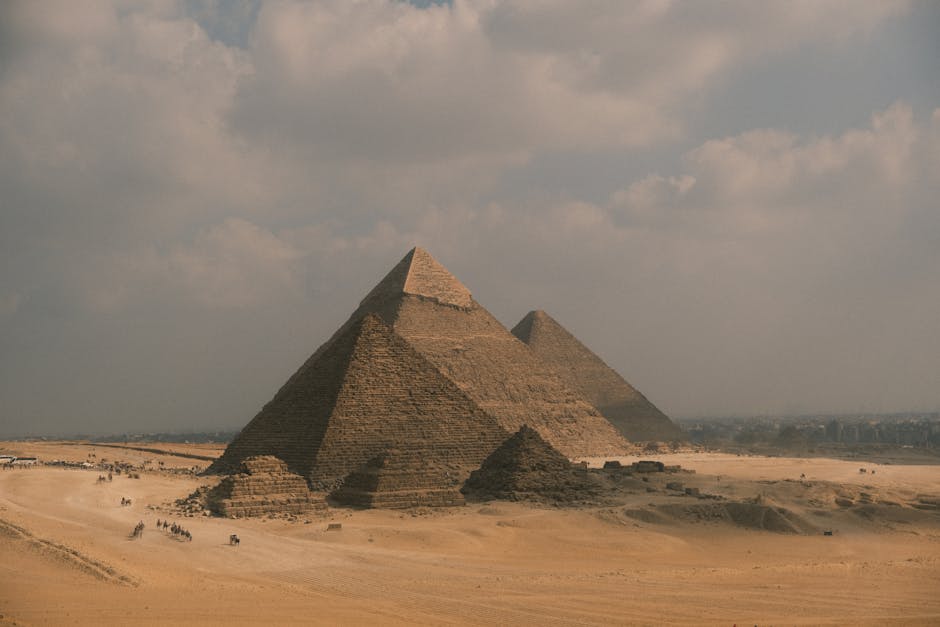
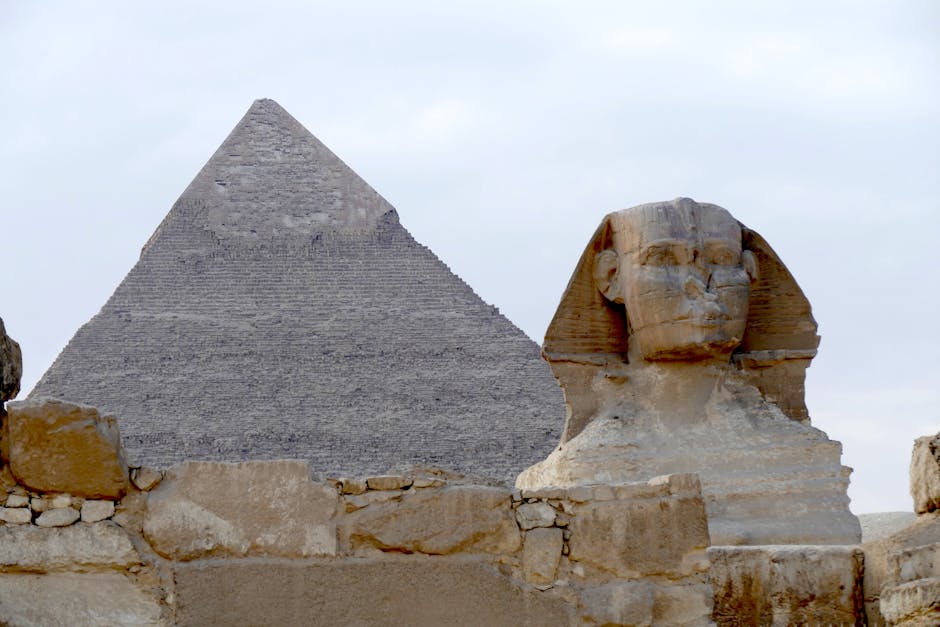
The Pyramids of Giza stand as timeless symbols of ancient Egypt’s grandeur and ingenuity. Located on the Giza Plateau, just outside Cairo, these monumental structures are among the most recognizable and awe-inspiring archaeological sites in the world. They serve as a testament to the architectural and engineering skills of the ancient Egyptians, built over 4,500 years ago during the Fourth Dynasty of the Old Kingdom. The complex includes three main pyramids—Khufu, Khafre, and Menkaure—each serving as a tomb for the respective pharaohs, along with a series of smaller pyramids, temples, and the iconic Great Sphinx.
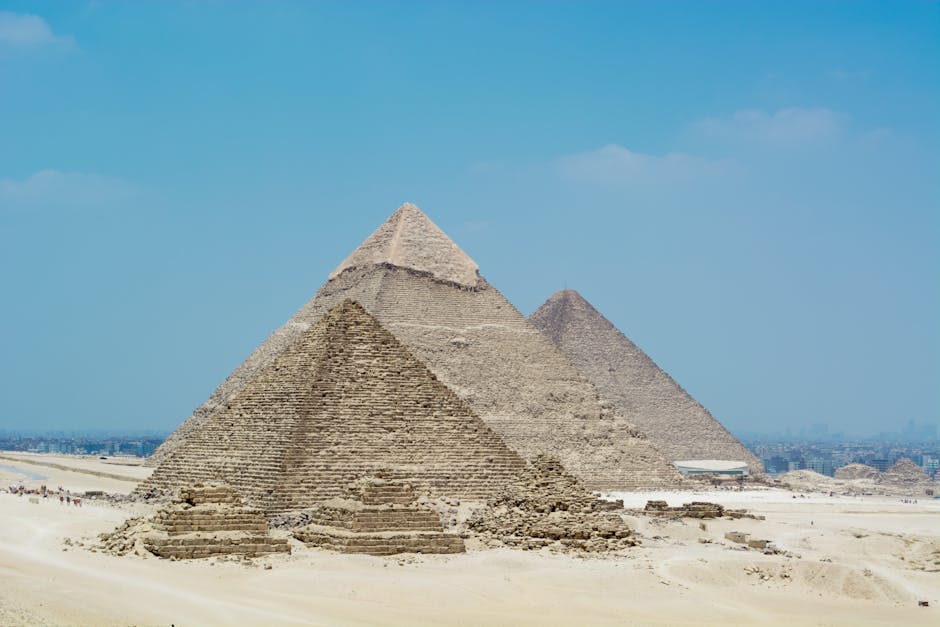
Visiting the Pyramids of Giza offers a unique glimpse into Egypt’s rich history and cultural legacy. The Great Pyramid of Khufu, also known as the Pyramid of Cheops, is the largest and most famous of the trio. It was originally built with approximately 2.3 million limestone blocks, standing at a height of 146 meters (481 feet). The precision and scale of construction continue to fascinate historians and travelers alike. The nearby Pyramid of Khafre retains some of its original smooth limestone casing at the top, giving visitors a sense of its former grandeur. The smaller Pyramid of Menkaure completes the trio, showcasing the evolution of pyramid design over time.
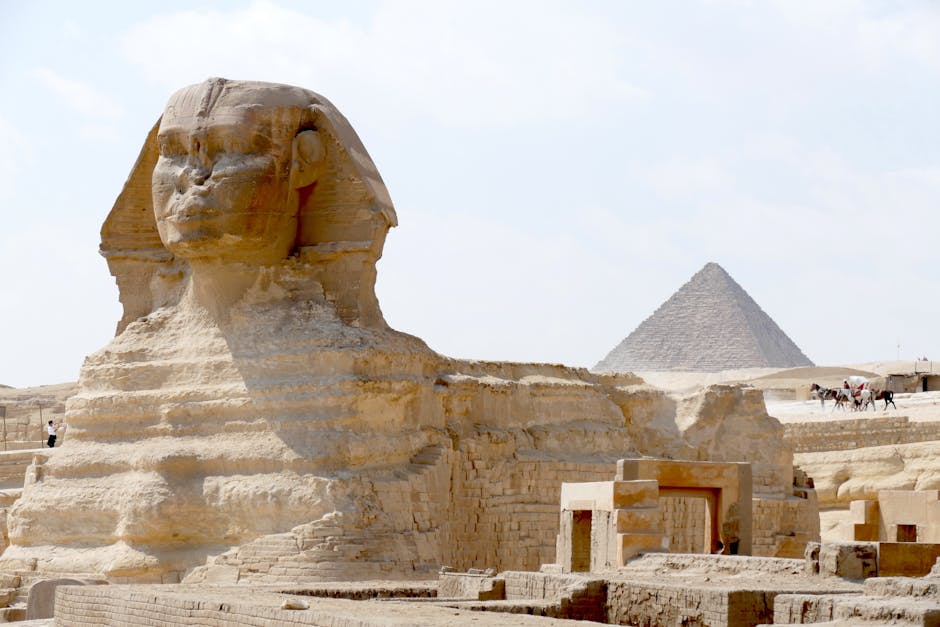
Beyond the pyramids themselves, the site features the Great Sphinx, a colossal limestone statue with the body of a lion and the head of a pharaoh, believed to represent Khafre. The complex is surrounded by a vast desert landscape, offering spectacular photo opportunities, especially at sunrise and sunset. For visitors, practical tips include arriving early to avoid crowds, hiring a knowledgeable guide to unlock the rich history, and wearing comfortable shoes for exploring the uneven terrain. Entrance fees apply, and options for camel or horse rides are available for a more immersive experience. Whether you’re a history enthusiast or a curious traveler, the Pyramids of Giza promise an unforgettable journey into Egypt’s ancient past.
Luxor Temple
Situated on the east bank of the Nile River in the city of Luxor, Luxor Temple is an extraordinary example of ancient Egyptian religious architecture. Originally constructed around 1400 BCE during the New Kingdom period, it served as a major religious center dedicated primarily to the god Amun, along with Mut and Khonsu. The temple complex is renowned for its impressive colonnades, massive statues, and richly decorated walls that depict religious rituals and mythological scenes. Its strategic location in the heart of modern Luxor makes it easily accessible for travelers exploring the Valley of the Kings and the Karnak Temple nearby.
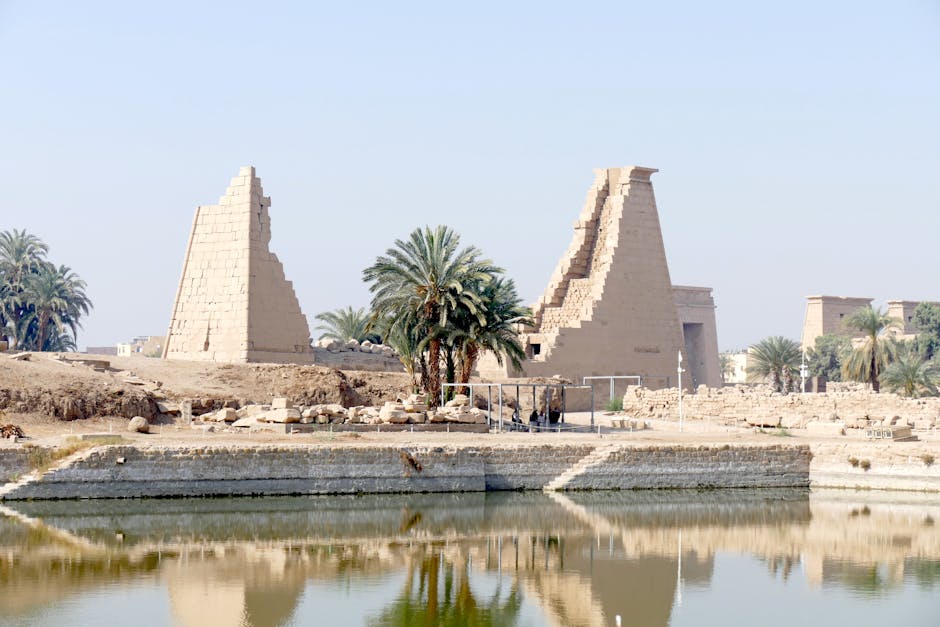
Walking through Luxor Temple feels like stepping into an open-air museum. One of its most striking features is the grand entrance pylon, flanked by towering statues of Ramesses II, which immediately conveys the temple’s majesty. Inside, visitors can marvel at the hypostyle hall, with its forest of massive columns decorated with hieroglyphs and scenes from Egyptian mythology. The site also features a sacred lake and several smaller chapels, each with its own historical significance. The temple’s alignment with the Nile and its proximity to the Valley of the Kings highlight its importance as a religious and ceremonial hub in ancient times.
For travelers, Luxor Temple offers an enchanting experience, especially during the evening when it is illuminated, creating a mystical atmosphere. Practical advice includes arriving in the late afternoon to enjoy cooler temperatures and fewer crowds, and hiring a guide to fully appreciate the intricate carvings and historical context. The site is open until late evening, providing a perfect opportunity to witness the temple’s grandeur under the stars. A visit to Luxor Temple is essential for those eager to understand Egypt’s spiritual and architectural achievements, making it a highlight of any journey through ancient Egypt.
Valley of the Kings
The Valley of the Kings, nestled on the western bank of the Nile near Luxor, is one of Egypt’s most significant archaeological sites. This necropolis served as the burial ground for pharaohs and powerful nobles of the New Kingdom, spanning from the 16th to the 11th centuries BCE. It is renowned for its elaborate tombs, decorated with vivid hieroglyphs and scenes intended to guide the deceased into the afterlife. The valley contains over 60 tombs, including those of famous pharaohs like Tutankhamun, Ramses the Great, and Seti I, each offering a unique glimpse into ancient Egyptian beliefs about death and eternity.
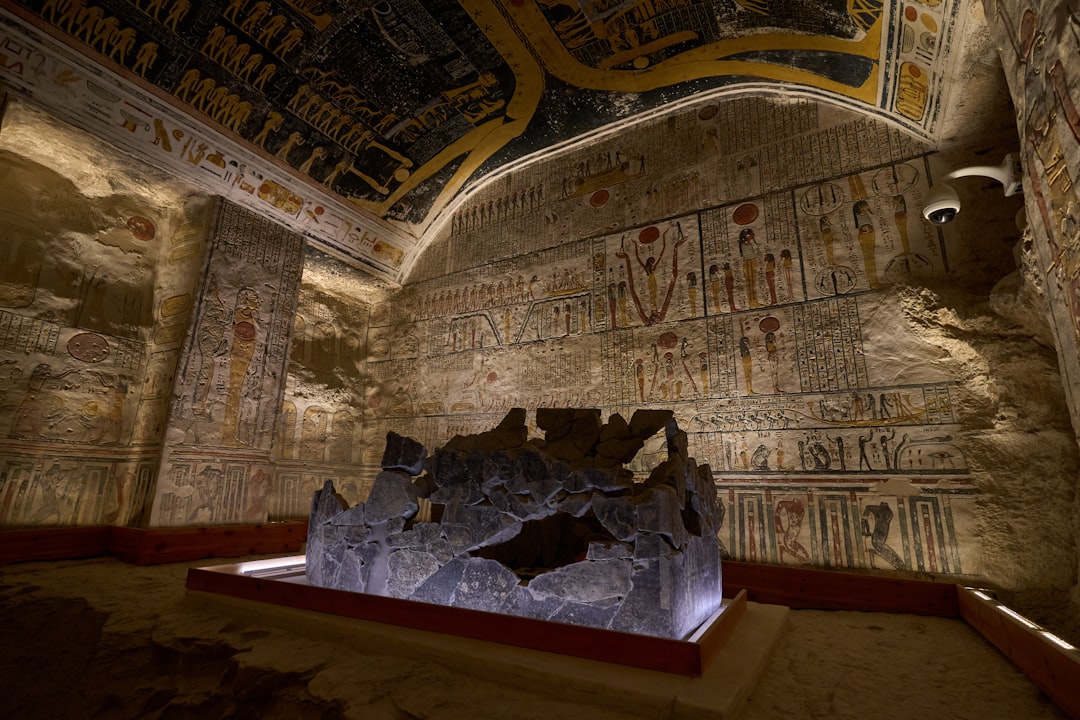
Exploring the Valley of the Kings is like walking through a subterranean museum of ancient Egyptian art and architecture. Visitors typically enter through the Tomb of Ramesses IX, marveling at the intricate wall paintings, hieroglyphic inscriptions, and the impressive burial chambers. Each tomb was carefully designed to protect the mummies and treasures of the pharaohs, with secret passages and hidden chambers. Notably, the discovery of Tutankhamun’s tomb in 1922 remains one of the most significant archaeological finds, revealing priceless artifacts and a wealth of historical knowledge.
Practical tips for visitors include hiring a guide to better understand the symbolism and history behind each tomb. Since some tombs are narrow and dark, comfortable walking shoes and a flashlight are recommended. The site can be hot during the day, so early morning visits are ideal. Entrance fees vary depending on the tombs chosen, and photography is often restricted inside the burial chambers. Visiting the Valley of the Kings offers an immersive experience into Egypt’s royal past, making it a must-see for history buffs and curious travelers alike. It’s a profound journey into the beliefs, artistry, and legacy of Egypt’s ancient rulers.
Abu Simbel Temples
The Abu Simbel Temples are among Egypt’s most iconic and awe-inspiring monuments, located in the southern part of the country near the border with Sudan. Carved directly into sandstone cliffs on the west bank of Lake Nasser, these colossal structures date back to the 13th century BCE during the reign of Pharaoh Ramses II. The site comprises two main temples: the Great Temple dedicated to Ramses II himself and the smaller Temple of Hathor, dedicated to his queen Nefertari and the goddess Hathor. Visiting Abu Simbel offers a profound glimpse into Egypt’s grandeur, engineering marvels, and religious devotion during Egypt’s New Kingdom period.
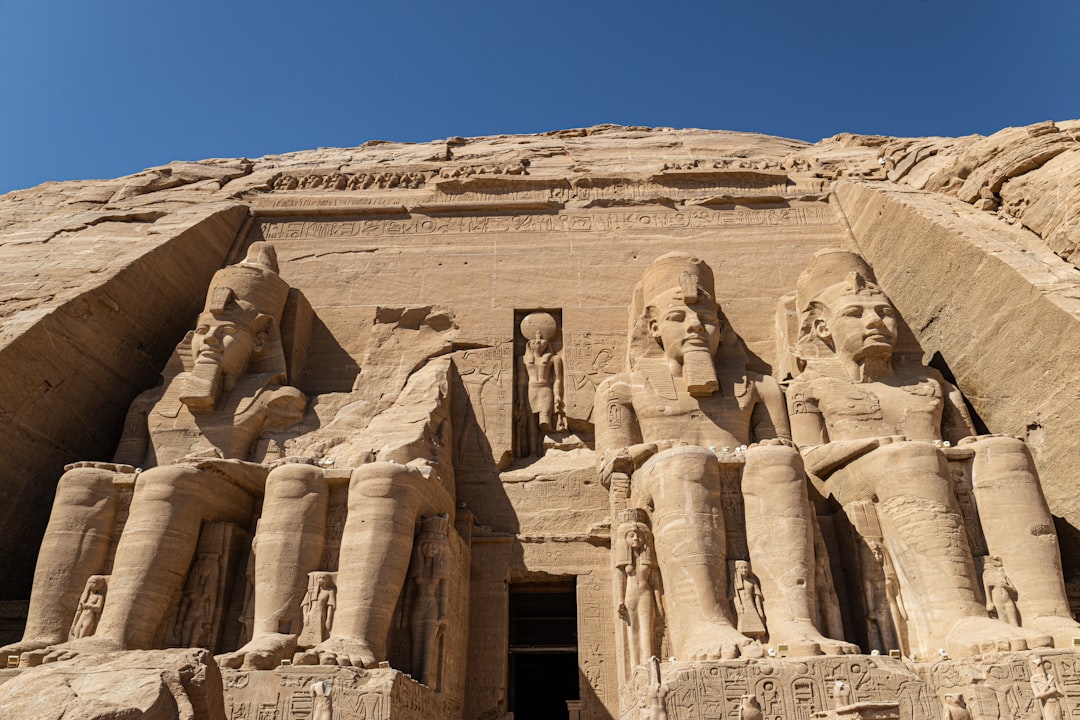
The temples are renowned for their massive statues of Ramses II, which dominate the façade. The Great Temple features four seated statues of Ramses that are each over 20 meters tall, symbolizing his divine power and authority. Inside, visitors can explore richly decorated halls filled with hieroglyphs, depicting gods, kings, and mythological scenes that narrate Egypt’s religious beliefs. The most remarkable feature of Abu Simbel is the precise alignment that allows sunlight to penetrate the inner sanctum twice a year, illuminating statues of gods seated within, which highlights the advanced engineering skills of the ancient Egyptians.
Located approximately 280 kilometers southwest of Aswan, Abu Simbel is accessible via a scenic journey that often begins with a flight from Cairo or Aswan, followed by a short drive. The site is open year-round, with the best visiting times during the cooler months from October to April. Visitors should plan to arrive early to avoid crowds and to fully enjoy the tranquility of this UNESCO World Heritage site. Guided tours are highly recommended, as they enrich the experience with detailed historical insights. Remember to wear comfortable shoes, bring water, and prepare for the sun, especially during midday visits.
Karnak Temple
The Karnak Temple complex, situated in the heart of Luxor, stands as one of the most impressive and extensive religious sites in Egypt. Covering approximately 200 acres, it was built and expanded over 2,000 years, primarily during the New Kingdom era. The complex served as a major religious center dedicated to the Theban triad of gods: Amun, Mut, and Khonsu. For travelers embarking on a journey through Egypt’s ancient civilization, Karnak offers an unparalleled experience of grandeur, history, and spiritual significance. Walking through its vast courtyards and halls, visitors can sense the power and devotion that once animated this sacred space.
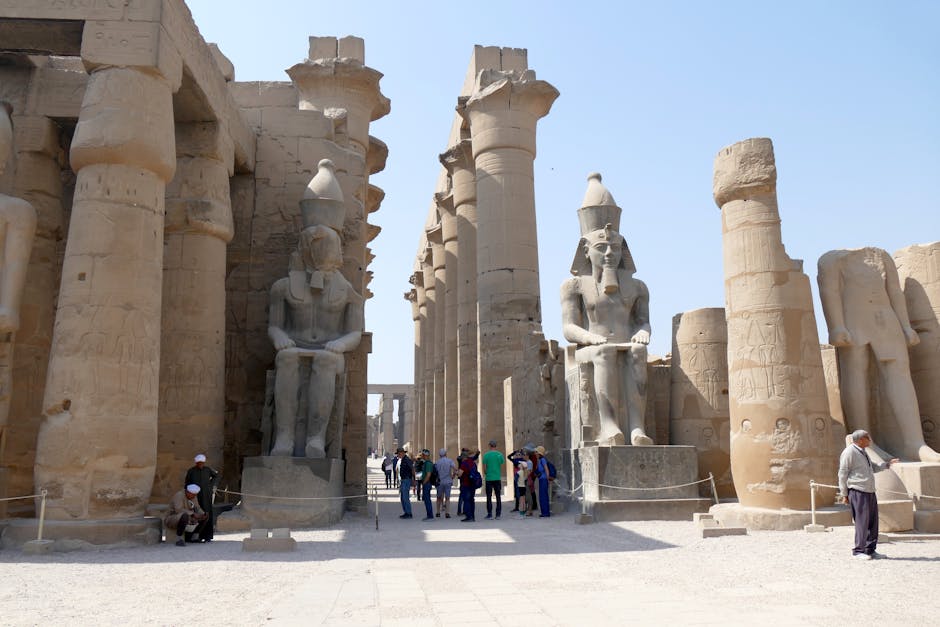
At its core, the temple complex is distinguished by the Hypostyle Hall, an extraordinary forest of 134 massive columns, each over 23 meters tall. These columns are intricately carved with hieroglyphs and depict scenes of gods and pharaohs, showcasing the artistic mastery of ancient Egyptian artisans. The Avenue of Sphinxes, stretching from Karnak to Luxor Temple, was once lined with thousands of sphinx statues, creating a majestic processional route for religious festivals. Visitors can explore the Sacred Lake, used for ritual purification, and numerous smaller chapels dedicated to various gods and deities.
Located in Luxor, Karnak is easily accessible from the city’s hotel district and is open daily from early morning until sunset. The site’s vastness makes it ideal for a half-day or full-day exploration, especially with a knowledgeable guide who can interpret the symbolism and history embedded in the carvings. Practical tips include wearing comfortable footwear, bringing sun protection, and carrying plenty of water. Visiting Karnak not only reveals Egypt’s architectural ingenuity but also provides a unique connection to its spiritual and cultural heritage, making it a must-see for any traveler seeking to understand Egypt’s ancient legacy.
Best Time to Visit Egypt: A Practical Guide for Journey Planners
Understanding Egypt’s Climate and Seasons
Egypt’s desert climate features hot summers and mild winters. The optimal time for travelers depends on your preferences for weather, crowd levels, and budget. From late autumn to early spring, temperatures are generally comfortable, making it ideal for exploring historical sites and outdoor activities. The summer months, especially June through August, bring intense heat, often exceeding 35°C (95°F), which can be challenging for sightseeing, particularly during midday.
Peak Tourist Seasons
The most popular period for visiting Egypt is from October to April. During these months, the weather is cooler and more suitable for outdoor excursions like visiting the Pyramids, cruising the Nile, or exploring Luxor’s temples. This period also coincides with major holidays and festivals, attracting large crowds, which can lead to crowded attractions and higher prices for accommodations and tours.
Off-Peak Benefits
Visiting during the shoulder months of late spring (May) and early autumn (September) offers a balanced experience. These months typically see fewer tourists, which means more relaxed visits and better deals on hotels and tours. Additionally, the weather remains pleasant enough for outdoor activities without the extreme heat of summer. For budget-conscious travelers, off-peak seasons provide a more authentic and less crowded experience.
Summary of Pros and Cons
| Time Period | Pros | Cons |
|---|---|---|
| October to April |
|
|
| May and September |
|
|
| June to August | None |
|
Ultimately, the best time to visit Egypt depends on your priorities—whether you seek comfortable weather, fewer crowds, or budget-friendly options. As a journey planner, consider aligning your travel dates with your preferred experience for a truly memorable adventure.
Getting to Egypt: Your Ultimate Journey Planner
Embarking on a trip to Egypt promises an exciting adventure filled with ancient wonders, vibrant culture, and stunning landscapes. To ensure a smooth journey, understanding your transportation options is essential. Whether you’re arriving from afar or exploring within the country, planning your route effectively can make all the difference. Below, you’ll find comprehensive guidance on how to reach Egypt, along with useful travel tips to optimize your experience.
Flights to Egypt
The most common and convenient way to reach Egypt is by air. Major international airports include Cairo International Airport (CAI), which serves as the primary gateway, along with airports in Alexandria, Hurghada, and Sharm El Sheikh. Several airlines operate direct flights from Europe, Asia, Africa, and North America, offering a range of options depending on your departure point.
When booking your flight, consider traveling during shoulder seasons like spring or fall for better prices and fewer crowds. Additionally, booking in advance often secures more affordable fares. Keep in mind that flight durations vary; flights from Europe typically take around 4-6 hours, while those from North America may require layovers.
Other Transportation Options
Beyond flying, Egypt boasts an extensive network of trains, buses, and car rentals that facilitate internal travel and help you explore the country at your own pace.
Travel Tips and Important Information
- Visa Requirements: Most travelers need a visa to enter Egypt. Check the latest entry policies and apply in advance if possible.
- Travel Seasons: The best times to visit are during spring (March to May) and fall (September to November), avoiding the extreme heat of summer.
- Local Currency: The Egyptian Pound (EGP) is widely accepted. Carry some cash, but credit cards are increasingly accepted in major cities.
- Language: Arabic is the official language, but English is commonly spoken in tourist areas.
- Safety Tips: Stay aware of your surroundings, especially in crowded areas, and keep your belongings secure.
With thoughtful planning and awareness of your transportation options, your journey to Egypt can be seamless and enjoyable. Whether arriving by air or exploring the country’s internal transit, a well-prepared route ensures you make the most of your Egyptian adventure.
Best Places to Stay in Egypt: Catering to Every Budget
Egypt offers a diverse range of accommodations that cater to travelers with different budgets and preferences. Whether you seek luxury, mid-range comfort, or budget-friendly options, this guide will help you choose the perfect place to stay, ensuring your journey planner experience is seamless and memorable.
Luxury Options for a Regal Experience
If you desire a truly indulgent stay, Egypt’s luxury hotels promise unmatched service, exquisite design, and prime locations. The Four Seasons Hotel Cairo at Nile Plaza exemplifies elegance, situated along the Nile with panoramic views. Its spacious rooms, world-class spa, and gourmet restaurants make it ideal for travelers seeking relaxation and sophistication. Similarly, Marina Bay Sands in Sharm El Sheikh offers a blend of opulence and stunning sea vistas, perfect for those wanting a luxurious beach retreat. These hotels provide personalized services, private pools, and exclusive access to private beaches, making them a top choice for travelers who prioritize comfort and prestige.
Mid-Range Hotels for Comfort and Value
For travelers seeking a balance between comfort and affordability, Egypt’s mid-range hotels deliver excellent amenities without the hefty price tag. The Steigenberger Hotel El Tahrir Cairo offers modern rooms, a central location, and a rooftop terrace with views of Tahrir Square. Its convenient access to major attractions makes it a favorite among sightseeing enthusiasts. In Hurghada, the Sunrise Crystal Bay Resort provides spacious rooms, a private beach, and multiple pools, ensuring a relaxing seaside experience. These accommodations often include breakfast options, free Wi-Fi, and friendly staff, making them perfect for travelers who want a comfortable base to explore Egypt’s wonders.
Budget-Friendly Stays for the Thrifty Traveler
Travelers on a tight budget will find Egypt’s hostels and guesthouses welcoming and affordable. The City View Hotel in Cairo offers clean, basic rooms in a central location, ideal for backpackers and solo travelers. Its friendly atmosphere and proximity to major sites make it a practical choice. In Aswan, the Aswan Bed & Breakfast provides cozy rooms at low prices, along with authentic local hospitality. These options often include communal spaces, simple breakfast, and helpful staff, ensuring you experience Egypt without overspending.
| Budget Category | Recommended Accommodation | Highlights |
|---|---|---|
| Luxury | Four Seasons Hotel Cairo at Nile Plaza | Nile views, spa, gourmet dining |
| Mid-Range | Steigenberger Hotel El Tahrir Cairo | Central location, rooftop terrace |
| Budget | City View Hotel Cairo | Affordable, friendly atmosphere |
By selecting accommodations aligned with your budget and preferences, your Egypt journey becomes more enjoyable and stress-free. Whether indulging in luxury or exploring budget options, Egypt’s diverse lodging options ensure every traveler finds a perfect home base to explore this ancient land.
Essential Travel Products for Your Egyptian Adventure
1. Universal Travel Adapter with USB Ports
One of the most vital items for any traveler heading to Egypt is a reliable universal travel adapter. Egypt primarily uses Type C and Type F power outlets, with a standard voltage of 220V and frequency of 50Hz. A universal travel adapter equipped with multiple USB ports ensures you can charge all your devices simultaneously, including smartphones, tablets, cameras, and portable power banks. Modern models often include surge protection, which safeguards your electronics against voltage spikes—a common occurrence in unfamiliar electrical environments.
This product is especially useful because it eliminates the need to carry multiple adapters for different devices, reducing clutter and the risk of forgetting essential chargers. Compact and lightweight, these adapters easily fit into your travel bag, making them perfect for sightseeing days or long excursions. You can purchase high-quality universal adapters from online retailers such as Amazon or electronics stores like Best Buy, ensuring you have a dependable power solution during your journey.
2. Lightweight, High-Capacity Power Bank
Traveling through Egypt often involves long days exploring historic sites like the Pyramids of Giza or cruising along the Nile. A high-capacity power bank becomes indispensable in such scenarios, allowing you to keep your devices charged without searching for outlets. Look for a power bank with at least 10,000mAh capacity, which can charge a smartphone multiple times or power small devices like GPS units or travel cameras.
Features to consider include fast charging capabilities, multiple output ports, and compact design. A durable, portable power bank ensures you stay connected and capture memories without interruption. Many models now include built-in cables or wireless charging features for added convenience. You can find excellent options from brands like Anker or RavPower on Amazon, which are renowned for their reliability and efficiency.
Explore Amazon’s top travel essentials
Travel Guidebooks for Your Dream Journey to Egypt
1. “Travel Dream Journey Planning Guide Egypt” (Kindle Unlimited & Audible)
This comprehensive guide is tailored specifically for travelers seeking a well-organized and inspiring plan for Egypt. It covers essential topics such as must-see attractions, hidden gems, cultural insights, and practical tips for navigating cities like Cairo and Luxor. The book offers detailed itineraries suitable for different trip lengths, ensuring you maximize your time and experience Egypt’s rich history and vibrant culture. Available on Kindle Unlimited, it allows you to access the content seamlessly on your Kindle device or app, making it perfect for on-the-go planning.
2. “Ancient Egypt Travel Companion” (Kindle Unlimited & Audible)
This guide delves into Egypt’s ancient wonders, from the majestic Pyramids of Giza to the mysterious temples of Karnak. It provides historical context, interesting anecdotes, and practical advice for exploring archaeological sites. The book also offers tips on respectful tourism and navigating local markets, which can enrich your understanding of Egypt’s legacy. The audiobook version is ideal for listening during long flights or while relaxing in your hotel, helping you immerse yourself in Egypt’s history even before arriving.
3. “Egypt Travel Essentials: A Practical Guide” (Kindle Unlimited & Audible)
Focused on practical travel advice, this book covers everything from transportation options and safety tips to cultural etiquette and local cuisine. It’s especially useful for first-time visitors who want to avoid common pitfalls and enjoy a smooth journey. The guide includes packing checklists, language tips, and suggestions for authentic dining experiences. Its audiobook format makes it easy to absorb information during your commute or while packing, ensuring you’re well-prepared for your Egyptian adventure.
Whether you prefer detailed itineraries, historical insights, or practical travel tips, these guidebooks support your journey planner mindset, helping you craft a memorable and hassle-free trip to Egypt. Combining these resources with essential travel products ensures you’re fully equipped to explore this timeless destination with confidence and curiosity.
Learn new phrases, find hidden gems, and travel like a pro – free Kindle Unlimited access!
Frequently Asked Questions About Planning Your Dream Journey to Egypt
1. What is the best time of year to visit Egypt for a memorable experience?
Egypt’s climate varies significantly throughout the year, making timing crucial for an optimal journey. The most favorable months are from October to April when temperatures are cooler and more comfortable for sightseeing. During this period, daytime temperatures typically range from 20°C to 25°C (68°F to 77°F), ideal for exploring sites like the Pyramids of Giza and the temples of Luxor. Visiting during these months also means fewer crowds, allowing for a more immersive experience. Conversely, from June to August, temperatures can soar above 35°C (95°F), especially in the desert regions, which may be uncomfortable for some travelers. Therefore, planning your trip during the shoulder seasons ensures comfort, better photography conditions, and the chance to enjoy Egypt’s vibrant culture without the peak-season crowds.
2. How should I plan my itinerary to cover Egypt’s major attractions efficiently?
Creating an effective journey planner involves balancing must-see sites with travel logistics. Start by prioritizing key destinations like Cairo, Luxor, Aswan, and Abu Simbel. Allocate at least 3-4 days in Cairo to explore the Pyramids, Sphinx, Egyptian Museum, and Islamic Cairo. Then, consider a Nile cruise between Luxor and Aswan, which offers a relaxing way to see temples and tombs along the river. For a comprehensive experience, add 2-3 days in Luxor for the Valley of the Kings and Karnak Temple, and 2 days in Aswan for Philae Temple and Nubian culture. If time permits, include a visit to the Red Sea resorts for relaxation. When planning, account for internal flights, train rides, or organized tours to maximize efficiency. Using a detailed travel planner ensures you cover Egypt’s highlights without feeling rushed, allowing you to savor each site fully.
3. What practical tips should I consider for a smooth travel experience in Egypt?
Traveling in Egypt requires some preparation to ensure safety and comfort. First, always carry a copy of your passport and travel documents. Dress modestly, especially when visiting religious sites, to respect local customs. Currency exchange is best done at official locations; carry some Egyptian pounds (EGP) for small expenses. Tipping, or ‘baksheesh,’ is customary and appreciated, especially for guides and drivers. Be cautious with street food—choose busy vendors with high turnover for freshness. Hydration is essential, so drink bottled water and stay hydrated, particularly in the desert heat. To avoid scams, book tours through reputable agencies and verify credentials. Lastly, learning a few basic Arabic phrases can enhance interactions and show respect to locals, enriching your overall experience.
4. What should I know about local culture and customs to enhance my journey?
Egyptian culture is rich and deeply rooted in history, religion, and tradition. Respect local customs by dressing modestly, especially when visiting mosques or rural areas. Women should consider covering shoulders and knees, while men should avoid sleeveless shirts in conservative settings. Greetings are often formal; a simple handshake or nod suffices. When visiting religious sites, remove your shoes and speak softly. Egyptians are known for their hospitality—accept invitations and engage politely. Learning a few Arabic greetings, such as “Salam Alaikum” (peace be upon you), can foster goodwill. Be mindful of local sensitivities regarding photography—always ask permission before photographing individuals or religious sites. Embracing these customs not only shows respect but also enriches your cultural understanding, making your journey more meaningful.
5. How can I ensure safety and health during my Egypt adventure?
Safety and health are paramount for a successful journey. Before traveling, consult your healthcare provider about recommended vaccinations, such as hepatitis A and B, typhoid, and tetanus. Carry a basic first aid kit, including medications for common ailments. Drink bottled or filtered water to prevent stomach issues, and avoid ice in drinks unless you trust the source. Use sun protection—wear hats, sunglasses, and sunscreen—particularly during outdoor excursions. Be cautious with street food; opt for busy, reputable vendors. When using transportation, choose licensed taxis or organized tours. Keep your belongings secure, especially in crowded areas, and stay aware of your surroundings. Familiarize yourself with local emergency numbers and the location of your country’s embassy. By taking these precautions, you can enjoy Egypt’s wonders with peace of mind and focus on creating unforgettable memories.
Explore Egypt with Confidence
Planning your dream journey to Egypt involves understanding the best times to visit, crafting a well-balanced itinerary, respecting local customs, and prioritizing safety. With thoughtful preparation, your adventure will be filled with awe-inspiring sights, authentic cultural encounters, and lasting memories. Use this guide to create a personalized travel plan that maximizes your experience and allows you to truly connect with Egypt’s timeless allure.
Why overpay? Cashback on luggage, accessories & more!
Embark on Your Dream Journey to Egypt Today
Planning an unforgettable trip to Egypt is an exciting adventure that requires careful consideration and a strategic approach. Throughout this guide, we’ve highlighted essential steps such as choosing the best time to visit, selecting iconic sites like the Pyramids of Giza and Luxor’s temples, and organizing your itinerary to maximize your experience. We also emphasized the importance of understanding local customs, securing necessary visas, and preparing for diverse climates, ensuring your journey is smooth and enriching.
As a dedicated journey planner, you now have the tools to craft a personalized, well-organized adventure that balances must-see attractions with hidden gems. Remember, flexibility is key—allow room for spontaneous discoveries that often become the most cherished memories. Whether you’re exploring ancient tombs, sailing the Nile, or sampling authentic Egyptian cuisine, each step should be tailored to your interests and pace.
Now is the perfect time to turn your dream into reality. Dive deeper into Egypt’s captivating history and vibrant culture by researching local tours, accommodations, and cultural tips. Start planning today, and let this incredible land inspire your wanderlust. Your unforgettable Egyptian adventure awaits!