Chile Travel Destinations Guide
Discover Your Ultimate Travel Dream Journey in Chile
Embark on an Unforgettable Chilean Adventure: Your Ultimate Travel Dream Journey Planning Guide
Chile stands out as one of the most captivating and diverse travel destinations in South America. From its dramatic landscapes to vibrant culture, this long, slender country offers an unparalleled array of natural wonders and unique experiences. Whether you’re drawn to the otherworldly beauty of the Atacama Desert, the lush greenery of the Lake District, or the awe-inspiring peaks of the Andes, Chile promises a journey filled with discovery and adventure. Its rich history, welcoming communities, and fascinating blend of tradition and modernity make it a compelling choice for travelers seeking a truly transformative experience. Planning a trip to Chile requires understanding its vast geography, varied climates, and hidden gems, ensuring every moment is tailored to your dream journey. As a dedicated journey planner, you’ll find this destination offers endless opportunities for exploration, adventure, and cultural immersion.
In this comprehensive guide, you will discover essential tips for crafting your perfect Chilean itinerary. We’ll explore key considerations for journey planning, including the best seasons to visit, must-know travel logistics, and insider insights to maximize your experience. Whether you aim to traverse remote wilderness, indulge in local cuisine, or immerse yourself in indigenous traditions, this article will equip you with the knowledge to turn your dream trip into a seamless adventure. Prepare to unlock the secrets of Chile’s extraordinary landscapes and vibrant culture, all while ensuring your journey is as enriching and memorable as possible.
Unlimited movies & series for your next trip – free trial!
Torres del Paine National Park
Located in the southern region of Chile’s Patagonia, Torres del Paine National Park is one of the most breathtaking and iconic natural reserves in South America. Covering approximately 2,400 square kilometers, this UNESCO Biosphere Reserve is renowned for its dramatic landscapes, which include soaring mountain peaks, shimmering glacial lakes, and vast grasslands teeming with wildlife. Visitors are drawn to its rugged beauty and the promise of adventure, whether through trekking, wildlife observation, or simply soaking in the pristine scenery.
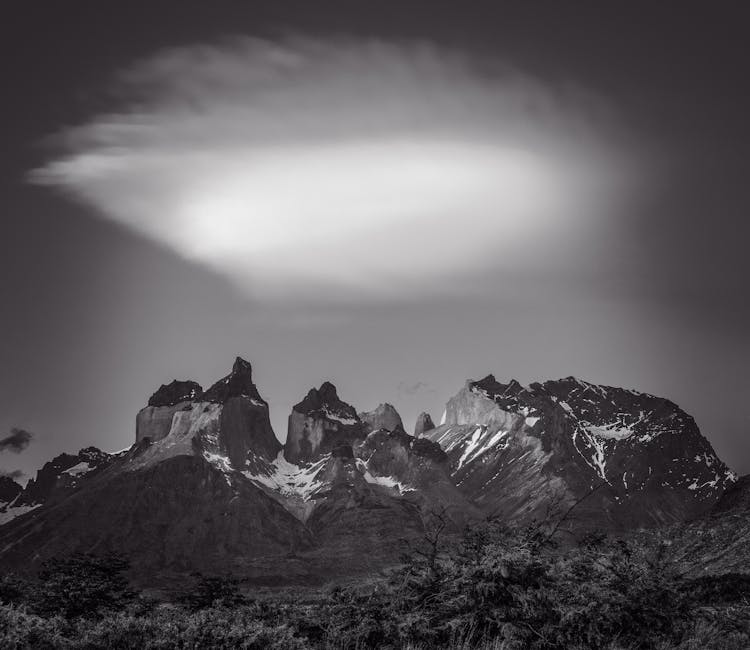
The park’s centerpiece is the striking trio of granite towers—Torres del Paine—that rise sharply from the landscape, offering a spectacular backdrop for hikers and photographers alike. The park is a paradise for trekkers, with the famous W Trek and the longer O Circuit providing opportunities to explore its diverse terrains over several days. Along the way, visitors encounter glaciers, turquoise lakes such as Grey and Pehoé, and dense forests filled with lenga and coihue trees.
Wildlife enthusiasts will appreciate the chance to see guanacos, foxes, condors, and even pumas in their natural habitat. The park’s ecosystem is remarkably rich, making every visit a unique experience. Practical information includes the necessity of booking accommodations and permits in advance, especially during peak season from October to April. Visitors should also prepare for variable weather conditions, often characterized by strong winds and sudden rain showers.
For those seeking adventure or tranquility, Torres del Paine offers a compelling blend of natural grandeur and outdoor activity. Whether you’re gazing at the towering peaks at sunrise, navigating scenic trails, or observing wildlife, every moment in the park promises a profound connection with nature. It truly embodies the spirit of Patagonia and remains a must-visit destination for any journey planner exploring Chile’s extraordinary landscapes.
Easter Island (Rapa Nui)
Situated approximately 3,700 kilometers off the coast of mainland Chile, Easter Island, known locally as Rapa Nui, is one of the most remote inhabited islands in the world. This UNESCO World Heritage Site is famous for its mysterious moai statues—massive stone figures carved by the island’s early inhabitants over several centuries. The island’s unique cultural history, combined with its striking volcanic landscapes, makes it a captivating destination for travelers seeking both history and adventure.
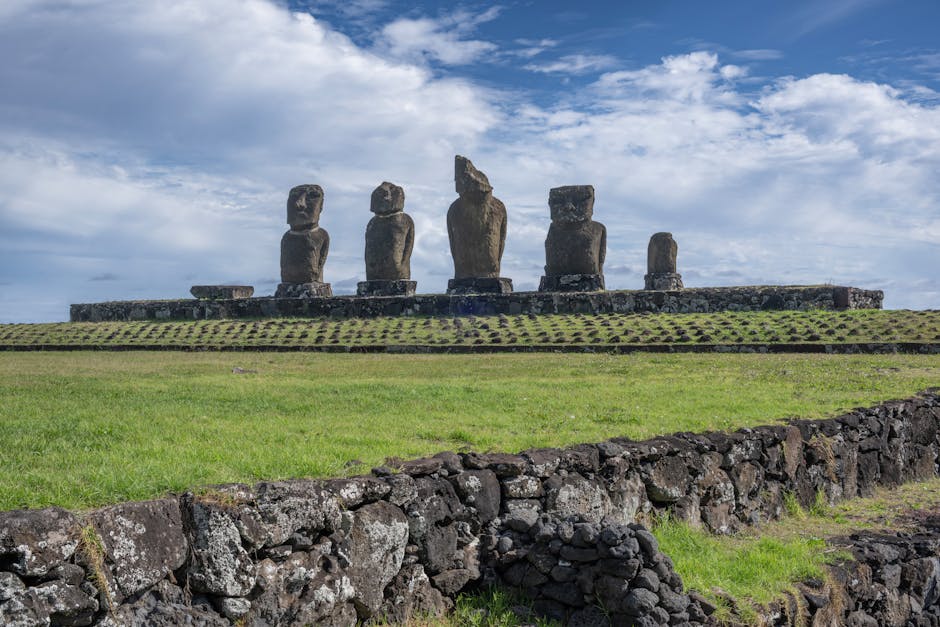
Rapa Nui covers an area of about 163 square kilometers, characterized by volcanic craters, lush valleys, and rugged coastlines. The island’s main attractions revolve around its iconic moai statues, which are scattered across several archaeological sites, including Ahu Tongariki and Rano Raraku quarry, where many of the statues were carved. Visiting these sites offers a glimpse into the island’s rich history and the ingenuity of its early inhabitants.
Beyond the moai, travelers can explore the volcanic Rano Kau crater, the vibrant Anakena beach with its white sands and palm trees, and the Orongo ceremonial village, which holds ancient petroglyphs and ceremonial significance. The island’s remote location means that visitors should plan their trip carefully, with flights available from mainland Chile to Easter Island’s Mataveri Airport. Accommodation options range from boutique hotels to eco-lodges, and it’s advisable to book well in advance.
Rapa Nui’s blend of archaeological marvels, natural beauty, and cultural heritage makes it a truly extraordinary destination. The island invites visitors to immerse themselves in its mysteries, reflect on its history, and enjoy the tranquil beauty of the Pacific Ocean surrounding it. For those seeking a journey that combines history, nature, and spirituality, Easter Island offers an unforgettable experience that lingers long after departure.
San Pedro de Atacama
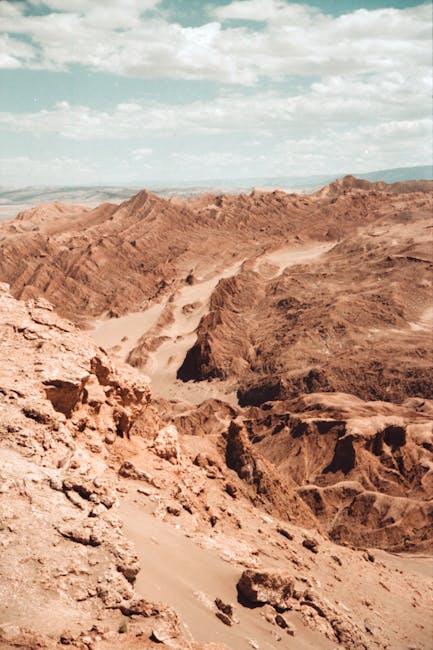
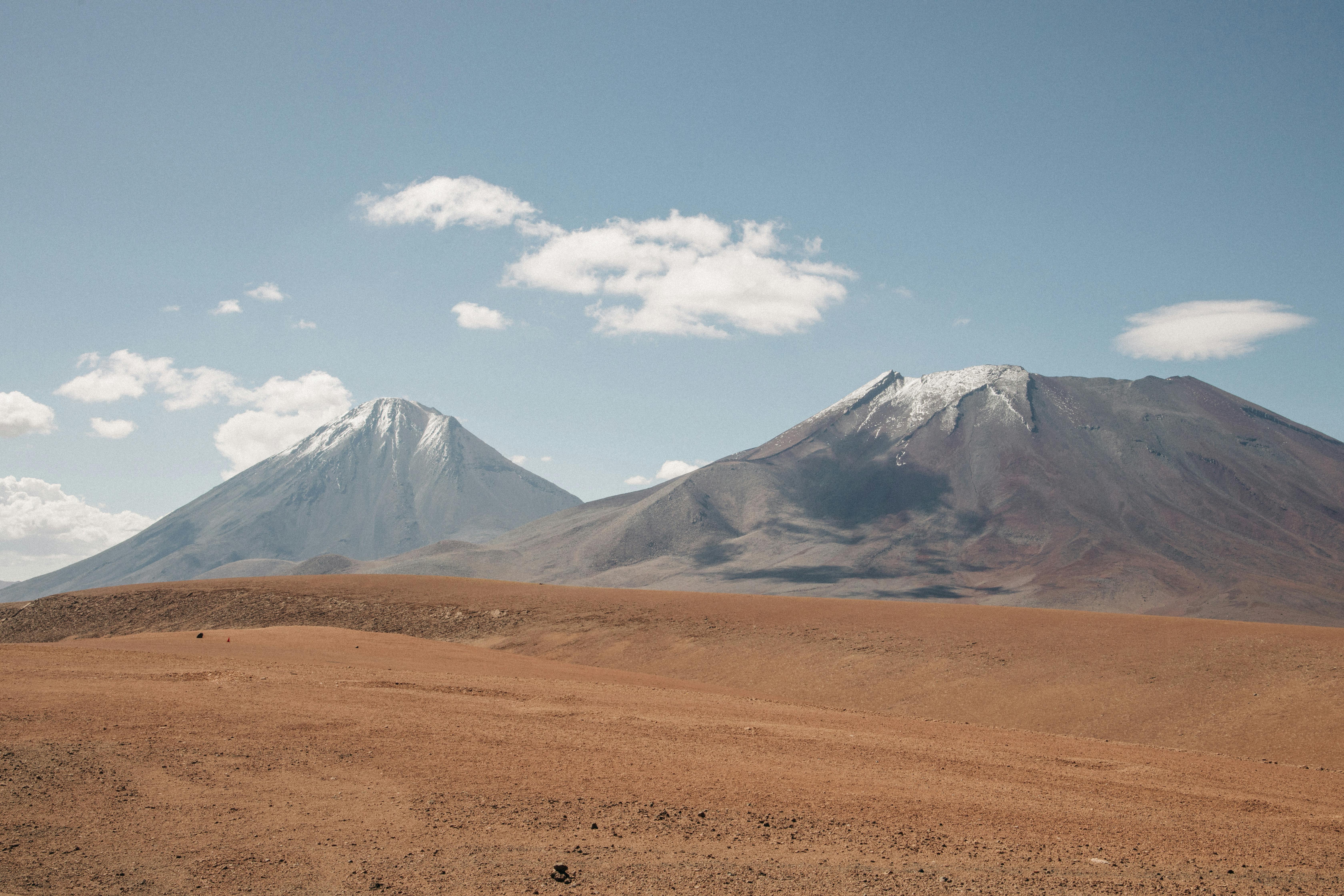
Nestled in the heart of the Atacama Desert, San Pedro de Atacama is a charming oasis town that serves as the gateway to some of Chile’s most extraordinary natural wonders. Located in northern Chile, this high-altitude desert settlement is renowned for its surreal landscapes, including salt flats, geysers, and colorful lagoons. Its unique environment and rich indigenous history make it a must-visit for travelers eager to explore one of the driest places on Earth.
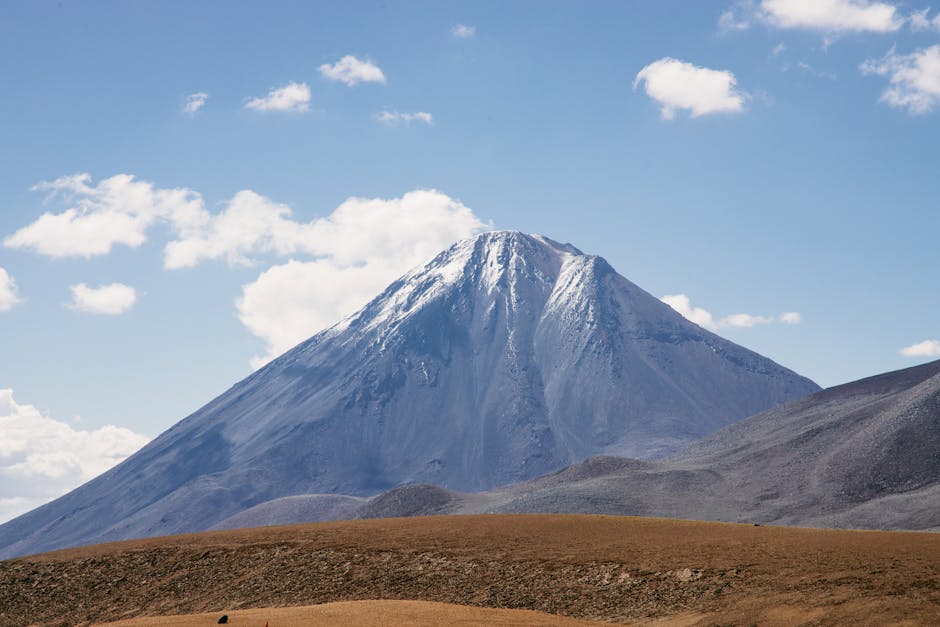
The town itself is small but vibrant, with a blend of traditional adobe architecture, lively markets, and cultural sites. Visitors often base themselves here to embark on excursions to nearby attractions such as the Valle de la Luna, known for its otherworldly rock formations and stunning sunset views. The nearby Altiplanic Lagoons, with their vivid pink and green hues, offer excellent birdwatching opportunities, especially for flamingos.
Another highlight is the El Tatio Geysers, where early morning visits reveal steaming vents and bubbling pools set against a backdrop of volcanic peaks. The region’s archaeological sites, including petroglyphs and ancient ruins, provide insights into the indigenous cultures that have inhabited the area for centuries. Practical tips include packing appropriate clothing for temperature fluctuations, bringing plenty of water, and booking guided tours to maximize safety and experience.
San Pedro de Atacama’s unique blend of natural beauty, archaeological richness, and cultural authenticity offers travelers an immersive journey into one of the world’s most extreme and fascinating environments. Whether exploring the starry night skies, marveling at geothermal activity, or wandering through lunar-like landscapes, visitors find themselves captivated by the desert’s stark yet mesmerizing beauty. It remains an essential stop for those eager to experience Chile’s diverse natural and cultural heritage in one extraordinary setting.
Valparaíso’s colorful hills
Perched along Chile’s central coast, Valparaíso’s vibrant hills are a testament to the city’s artistic spirit and historical significance. Known locally as “cerros,” these steep, winding neighborhoods are a mosaic of brightly painted houses, narrow alleyways, and eclectic street art. This unique landscape offers visitors an immersive experience that combines culture, history, and breathtaking views. Located just 120 kilometers northwest of Santiago, Valparaíso is easily accessible by road or bus, making it an ideal day trip or extended stay for travelers exploring central Chile.
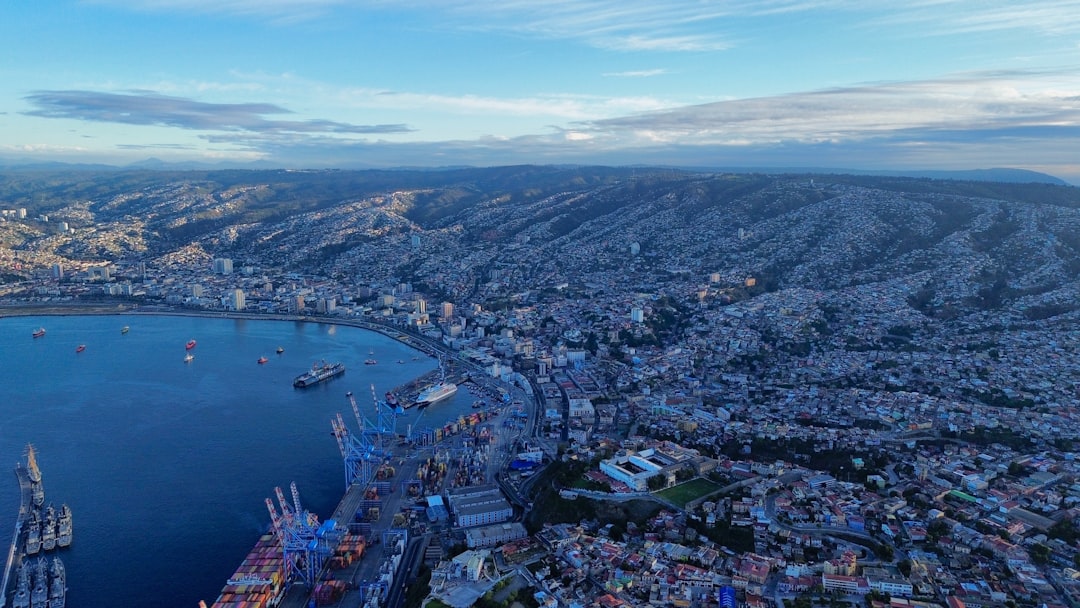
The main features of Valparaíso’s hills include a labyrinth of steep streets, vibrant murals, and historic funiculars that transport visitors up and down the slopes. These funiculars, or “ascensores,” are iconic symbols of the city and offer panoramic views of the bay below. Walking through neighborhoods like Cerro Alegre and Cerro Concepción reveals a lively arts scene, with galleries, cafes, and shops nestled among colorful houses. The city’s bohemian atmosphere is palpable, especially around the bustling port area, where street performers and artisans create a lively ambiance.
Visiting Valparaíso’s hills is a journey into Chile’s cultural soul. The city’s UNESCO World Heritage designation reflects its unique urban landscape and historical significance as a major port since the 19th century. For practical planning, visitors should wear comfortable shoes suitable for steep inclines and uneven cobblestone streets. Guided walking tours are highly recommended to fully appreciate the history and stories behind each neighborhood’s vibrant murals and architecture. The best time to visit is during the spring and summer months when the weather is warm and the city is alive with festivals and outdoor events. Don’t miss the chance to ride the ascensores for spectacular views and to explore the lively street art scene that makes Valparaíso truly one-of-a-kind.
Chiloé Island
Chiloé Island, located off the southern coast of Chile, is a captivating destination renowned for its distinctive culture, lush landscapes, and unique architecture. As the second-largest island in Chile, Chiloé offers a diverse array of experiences, from exploring traditional wooden churches to discovering vibrant local markets. Its remote yet accessible location makes it a perfect escape into nature and tradition. The island is approximately 1,200 kilometers south of Santiago, connected to the mainland by ferries and bridges, which adds to its sense of adventure and discovery.
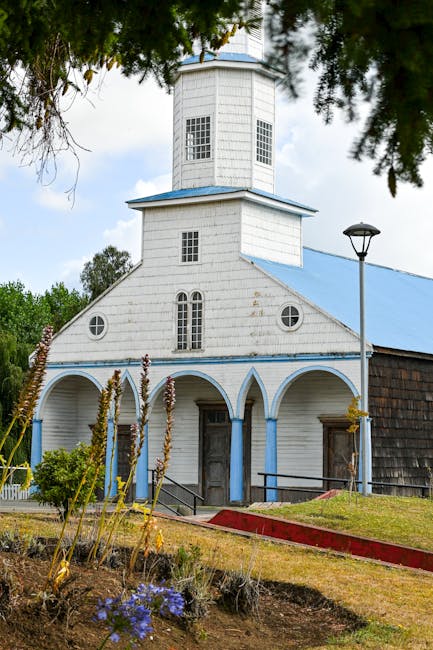
Chiloé’s main attractions include its UNESCO World Heritage-listed churches, which are renowned for their distinctive wooden construction and colorful facades. These churches reflect a blend of indigenous and Spanish influences, making them a fascinating study in cultural resilience. The island’s landscape is characterized by rolling hills, dense forests, and rugged coastlines, ideal for outdoor enthusiasts interested in hiking, birdwatching, or simply enjoying the pristine scenery. Small fishing villages like Castro and Dalcahue showcase traditional life, with floating platforms, vibrant markets, and local artisans selling handcrafted textiles and woodwork.
One of Chiloé’s most unique features is its folklore and mythology, which permeates local stories, cuisine, and festivals. Visitors can sample local delicacies such as curanto, a traditional stew cooked with seafood and meat, often prepared in earth pits. Practical tips for travelers include renting a car to explore remote areas, as public transportation can be limited. The best time to visit is during the summer months from December to February, when the weather is milder and festivals are in full swing. Whether exploring its historic churches, enjoying the scenic landscapes, or immersing in local culture, Chiloé Island promises a truly authentic Chilean experience that combines nature, tradition, and folklore in a captivating package.
Best Time to Visit Chile
Understanding Chile’s Climate and Seasons
Chile’s vast length from north to south results in a diverse climate, making timing crucial for a memorable journey. The country spans multiple climate zones, from the arid Atacama Desert in the north to the icy Patagonia in the south. Therefore, the ideal time to visit depends heavily on your destination and activities.
Peak Tourist Seasons
In general, the most popular period to visit Chile is during the Southern Hemisphere’s summer, from December to February. During these months, the weather is warmest, especially in central regions like Santiago and Valparaíso. Summer is also ideal for exploring the beaches, hiking in the Lake District, or visiting Patagonia, as the weather tends to be more stable and pleasant.
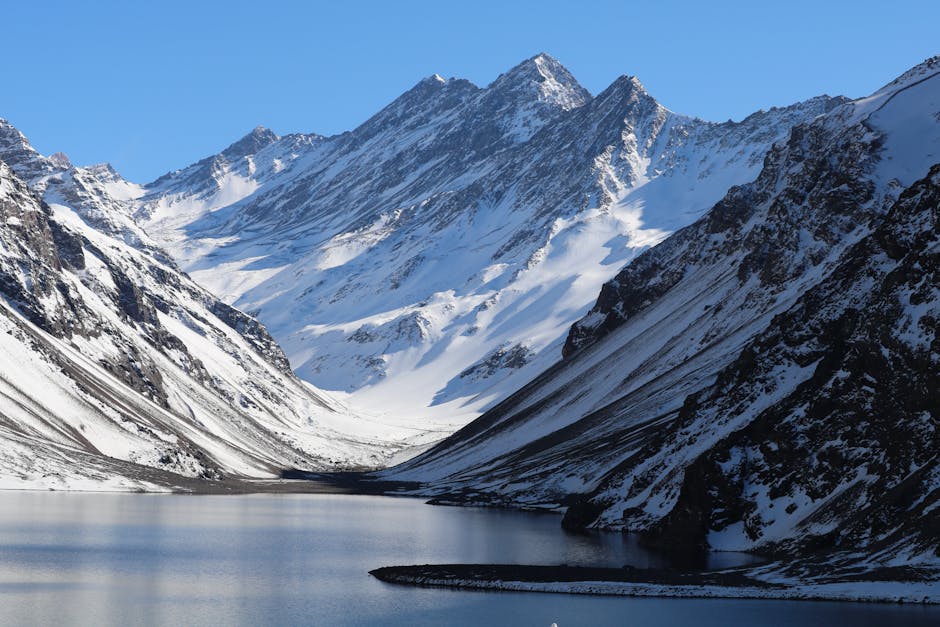
Conversely, the winter months from June to August attract travelers interested in skiing and snowboarding, especially in the Andes. However, some remote areas may experience harsh weather, limiting access.
Off-Peak Benefits
Visiting during the shoulder seasons—spring (September to November) and autumn (March to May)—offers several advantages. These include fewer crowds, better prices on accommodations, and a more authentic experience. Spring, in particular, brings vibrant wildflower blooms and milder weather, perfect for outdoor adventures.
In Patagonia, the shoulder seasons are ideal for those seeking solitude and unique wildlife sightings, although weather can be unpredictable. Planning ahead and packing versatile gear are essential during these times.
Summary: Pros and Cons Table
| Season | Pros | Cons |
|---|---|---|
| Summer (Dec-Feb) | Warm weather, ideal for beaches and outdoor activities | High tourist crowds, higher prices |
| Winter (Jun-Aug) | Great for skiing, fewer tourists in some areas | Colder weather, limited access to certain regions |
| Shoulder Seasons (Spring & Fall) | Fewer crowds, better prices, mild weather | Unpredictable weather, especially in Patagonia |
Choosing the right time to visit Chile depends on your interests and destinations. Careful planning considering these factors can help craft a journey that aligns with your preferences and enhances your overall experience.
Getting to Chile: Your Ultimate Journey Planner
Chile, stretching along South America’s western edge, offers travelers a breathtaking mix of landscapes, from deserts to glaciers. Planning your journey efficiently ensures a smooth arrival and seamless travel experience. Whether you’re arriving from neighboring countries or across the globe, understanding your transportation options is crucial for a hassle-free trip.
Flights to Chile
The most common way to reach Chile is by air. The country’s main international gateway is Santiago International Airport (Comodoro Arturo Merino Benítez), located in Santiago, the capital. Several major airlines operate direct flights from North America, Europe, and other South American countries. If you’re coming from Asia or Oceania, connecting flights through hubs like Dallas, Miami, or Panama City are typical.
When booking flights, consider the following tips:
- Book well in advance for better prices and availability.
- Check for seasonal variations; peak seasons include summer (December to February) and major holidays.
- Look for airlines offering flexible tickets, especially if your travel plans might change.
Other Transportation Options
Once you arrive in Chile, various options are available for traveling within the country and reaching your specific destination:
Traveling by Train and Bus
Chile has a limited railway network, mainly serving freight and some passenger routes in the south. However, buses are a popular, reliable, and economical way to explore the country. Long-distance bus companies connect major cities like Santiago, Valparaíso, and La Serena efficiently. Buses are comfortable, with options ranging from standard to luxury services.
For local travel, city buses and metro systems are widely available, especially in Santiago. The metro is fast, affordable, and covers key urban areas, making it an excellent choice for city navigation.
Car Rentals and Road Travel
If you prefer flexibility and wish to explore remote regions like the Atacama Desert or Patagonia, renting a car is ideal. Major rental companies operate at airports and city centers. Remember, driving is on the right side, and international driving permits are recommended.
Important travel tips include:
- Plan your routes ahead, especially for remote areas with limited services.
- Be aware of local traffic laws and road conditions.
- Consider GPS or reliable offline maps for navigation.
Overall, your journey to Chile can be tailored to your preferences, whether by air, land, or a combination. Proper planning ensures you maximize your time exploring this diverse and captivating country.
Best Places to Stay in Chile: Catering to Every Budget
Chile offers a diverse array of accommodations, making it easy for travelers to find the perfect stay that matches their budget and preferences. Whether you seek luxury, mid-range comfort, or budget-friendly options, this guide provides a curated selection to enhance your journey planning. Each choice is thoughtfully recommended for its unique features, location, and value, ensuring a memorable Chilean adventure.
Luxury Options: Indulge in Chile’s Finest
For travelers who desire an opulent experience, Chile’s luxury accommodations promise exceptional service, stunning architecture, and prime locations. The Explora Patagonia in Torres del Paine stands out as a premier choice. Surrounded by breathtaking landscapes, this all-inclusive lodge offers guided excursions, gourmet dining, and spacious rooms with panoramic views. It’s perfect for those seeking adventure combined with comfort, making it an ideal base for exploring Chile’s iconic wilderness.
Another top-tier option is the Hotel Santiago Grand Hyatt. Located in the heart of Santiago, this hotel provides elegant rooms, a rooftop pool, and world-class amenities. Its central location makes it a strategic starting point for city explorations or business travelers. Both properties exemplify Chile’s commitment to excellence, ensuring your stay is nothing short of extraordinary.
Mid-Range Marvels: Comfort Meets Value
If you prefer a balance of comfort and affordability, Chile offers several excellent mid-range hotels. The Hotel Cumbres Lastarria in Santiago provides stylish decor, friendly service, and a convenient location near cultural attractions. Its modern amenities and cozy atmosphere make it perfect for travelers who want to experience the city without overspending.
In Valparaíso, the Casa Higueras combines boutique charm with affordability. This historic hotel features beautifully restored architecture, a rooftop terrace with sweeping views, and personalized service. It’s an excellent choice for travelers seeking a unique, artsy vibe while staying comfortably within their budget.
Budget-Friendly Stays: Making the Most of Every Peso
For those traveling on a tighter budget, Chile offers numerous hostels and guesthouses that deliver quality without breaking the bank. The Hostel Providencia in Santiago is renowned for its friendly atmosphere, clean rooms, and communal spaces that foster social interactions. Its central location makes it easy to access public transport and explore the city’s highlights.
In Patagonia, the Hostel Las Torres provides affordable dormitory-style accommodations with stunning mountain views. It’s an ideal base for adventure enthusiasts who want to maximize their Chilean experience without overspending on lodging. These budget options emphasize comfort, safety, and a chance to connect with fellow travelers, enriching your overall journey.
In conclusion, Chile’s diverse accommodation landscape ensures that every traveler, regardless of budget, can find a place that enhances their journey. From luxurious lodges to cozy hostels, each option offers a unique perspective on Chile’s vibrant culture and awe-inspiring landscapes. Planning your stay carefully allows you to make the most of your adventure, ensuring memorable experiences at every step.
Essential Travel Products for Visiting Chile
1. Patagonia Waterproof Backpack
For travelers venturing into Chile’s diverse landscapes, especially Patagonia, a reliable waterproof backpack is an absolute must. The Patagonia Ultralight Black Hole Pack 25L offers a perfect blend of durability, lightweight design, and weather resistance. Crafted from recycled nylon ripstop fabric, this backpack is designed to withstand the unpredictable weather conditions common in southern Chile. Its water-resistant zippers and coated fabric ensure your belongings stay dry during sudden rain showers or splashes from boat rides on glacial lakes.
What makes this product particularly useful for visitors is its versatility. It’s suitable for day trips in Torres del Paine, hiking in the Andes, or even city exploration in Santiago. The pack features a spacious main compartment, multiple internal and external pockets for organizing essentials, and a comfortable padded shoulder strap system, making it easy to carry over long distances. Its compact size also fits easily into overhead compartments or luggage, making it ideal for travelers on the move.
Available at outdoor gear stores like REI or Patagonia’s official website, this backpack is a durable companion for any journey through Chile’s rugged terrains and scenic wonders. Its resilience against the elements ensures that your adventure remains uninterrupted, allowing you to focus on capturing breathtaking views or immersing yourself in local culture.
2. Universal Travel Adapter with USB Ports
Chile’s electrical outlets primarily operate at 220V with Type C and L plugs. Therefore, a universal travel adapter equipped with multiple USB ports becomes an essential device for modern travelers. The EPICKA Universal Travel Adapter offers compatibility with outlets worldwide, including Chile’s. It features dual USB ports and a USB-C port, enabling travelers to charge smartphones, tablets, cameras, and other electronic devices simultaneously.
This adapter’s compact design makes it easy to pack and carry, while its surge protection safeguards your devices against voltage spikes. Its intelligent charging technology ensures your gadgets are charged efficiently and safely, which is especially important during long excursions or remote adventures where power outlets are scarce.
Buy this versatile adapter from popular online retailers like Amazon, where it’s highly rated for its reliability and compatibility. Investing in a quality travel adapter ensures you stay connected, capture moments, and navigate Chile seamlessly without worrying about incompatible outlets or limited charging options.
Find highly rated travel essentials on Amazon
Guidebooks for Planning Your Dream Journey in Chile
Travel Dream Journey Planning Guide Chile (Kindle Unlimited & Audible)
For those seeking comprehensive guidance on exploring Chile, the Travel Dream Journey Planning Guide Chile offers invaluable insights. Available on Kindle Unlimited and Audible, this guidebook is tailored for travelers who want to craft a personalized, well-informed itinerary. It covers major destinations such as Santiago, Valparaíso, the Atacama Desert, and Patagonia, providing detailed descriptions, best travel times, and insider tips.
This guide emphasizes journey planning, helping you understand the logistical aspects of traveling through Chile’s vast and varied regions. It offers practical advice on transportation options, local customs, and hidden gems that are often overlooked in standard travel guides. The book also includes suggested itineraries based on different travel styles, whether you prefer adventure, cultural exploration, or relaxation.
On Audible, the narration brings the content to life, making it easy to listen and absorb while on the go. Kindle Unlimited users can access the full content instantly, making it a convenient resource for last-minute planning or spontaneous adventures. This guide is especially helpful for those who want to maximize their time and experience, ensuring every moment in Chile is meaningful and memorable.
Additional Recommendations
Other notable guides available on Kindle Unlimited and Audible include Chile Travel Guide: The Ultimate Travel Guide to Chile and Exploring Chile: A Journey Through Nature and Culture. These books delve into specific regions, offering detailed maps, cultural insights, and practical tips that are essential for a journey planner. They help travelers visualize their route, understand local customs, and prepare for unique experiences across Chile’s diverse landscapes.
By combining these comprehensive guides with the right travel products, visitors can transform their trip into a well-organized, enriching adventure. Whether navigating the Atacama’s deserts or trekking in Patagonia, these resources empower you to plan with confidence and enjoy Chile to its fullest.
Listen to your next destination before you arrive – free Audible trial available!
Frequently Asked Questions About Planning Your Dream Journey to Chile
1. What is the best time of year to visit Chile?
Chile’s diverse geography offers different optimal travel seasons depending on your destination and activities. Generally, the best time to visit the northern deserts, such as the Atacama, is during the spring (September to November) and autumn (March to May) when temperatures are mild, and the skies are clear. For Patagonia and southern regions, the Southern Hemisphere summer (December to February) provides longer daylight hours and warmer weather, ideal for trekking and outdoor adventures. If you prefer fewer crowds and cooler weather, consider visiting during shoulder seasons in spring or fall. Planning your journey around these periods ensures a more comfortable experience and better opportunities for sightseeing and outdoor activities.
2. How should I plan my itinerary for a comprehensive trip?
To craft an enriching itinerary, start by identifying your key interests—whether it’s exploring natural wonders, cultural sites, or adventure sports. A balanced journey typically includes:
- Start in Santiago, the vibrant capital, to acclimate and explore urban culture.
- Visit the Atacama Desert for surreal landscapes and stargazing.
- Head south to Patagonia for glaciers, fjords, and mountain treks.
- Consider the Lake District for lush forests and outdoor activities.
Allocate at least 10 to 14 days to cover these highlights without feeling rushed. Use internal flights or buses for efficient travel between regions. Remember to include some buffer days for relaxation or unexpected discoveries—these often become the most memorable moments.
3. What practical tips are there for traveling in Chile?
Traveling in Chile is generally smooth, but some practical tips can enhance your journey:
- Currency: The Chilean Peso (CLP) is widely accepted, but carry some cash for remote areas.
- Language: Spanish is the official language; learning basic phrases can be very helpful.
- Transportation: Domestic flights save time; buses are reliable and cost-effective.
- Altitude: In high-altitude areas like San Pedro de Atacama, stay hydrated and ascend gradually.
- Connectivity: SIM cards are affordable; Wi-Fi is available in cities and some tourist spots.
Planning ahead for transportation and accommodations ensures a smoother experience, especially in remote regions.
4. Are there any safety considerations travelers should keep in mind?
Chile is considered one of South America’s safest countries for travelers. Nonetheless, standard precautions are advised:
- Always keep your belongings secure, especially in crowded areas.
- Be cautious when exploring remote or rugged terrains—inform someone about your plans.
- Stay updated on weather conditions, particularly in Patagonia where sudden changes are common.
- Respect local customs and environmental guidelines, especially in protected areas.
Having travel insurance that covers medical emergencies and trip cancellations is highly recommended for peace of mind.
5. What unique experiences should I include in my Chilean journey?
Chile offers extraordinary adventures beyond typical sightseeing:
- Stargazing in the Atacama Desert, one of the best places for astronomical observation.
- Visiting the Marble Caves in Patagonia, a stunning natural wonder accessible by boat.
- Experiencing local culture through traditional music, dance, and cuisine, such as empanadas and asado.
- Hiking the Torres del Paine or Valle de la Luna for breathtaking landscapes.
- Sampling wines from the renowned vineyards of the Colchagua Valley.
Incorporating these experiences will make your journey truly memorable and uniquely tailored to your interests.
Perfectly Planned Journey
By considering these practical questions and insights, you can craft a well-rounded, enjoyable, and unforgettable trip to Chile. Remember, a thoughtful journey planner enhances your experience, allowing you to explore at your own pace and discover the country’s hidden gems.
Earn cashback on your next vacation – it’s free & easy!
Embark on Your Chilean Adventure Today
Planning a journey to Chile opens the door to an extraordinary blend of natural wonders, vibrant culture, and unforgettable experiences. From the awe-inspiring landscapes of the Atacama Desert to the lush fjords of Patagonia, this guide has equipped you with essential tips on best travel seasons, must-visit destinations, and practical planning strategies. Remember, a successful trip hinges on understanding local customs, preparing your itinerary with flexibility, and choosing the right time to visit each region for optimal weather and experiences.
As a dedicated journey planner, your goal is to craft a seamless travel experience that balances adventure, relaxation, and cultural immersion. Use detailed maps, create a prioritized list of sights, and consider local festivals or events that can enrich your trip. By doing so, you’ll ensure your journey is not just a trip but a collection of treasured memories.
Now is the perfect moment to turn your Chile travel dreams into reality. Dive deeper into each region, explore unique activities, and connect with local communities. Your adventure awaits—so start planning today and embrace the magic of Chile!